Aves
(Birds)
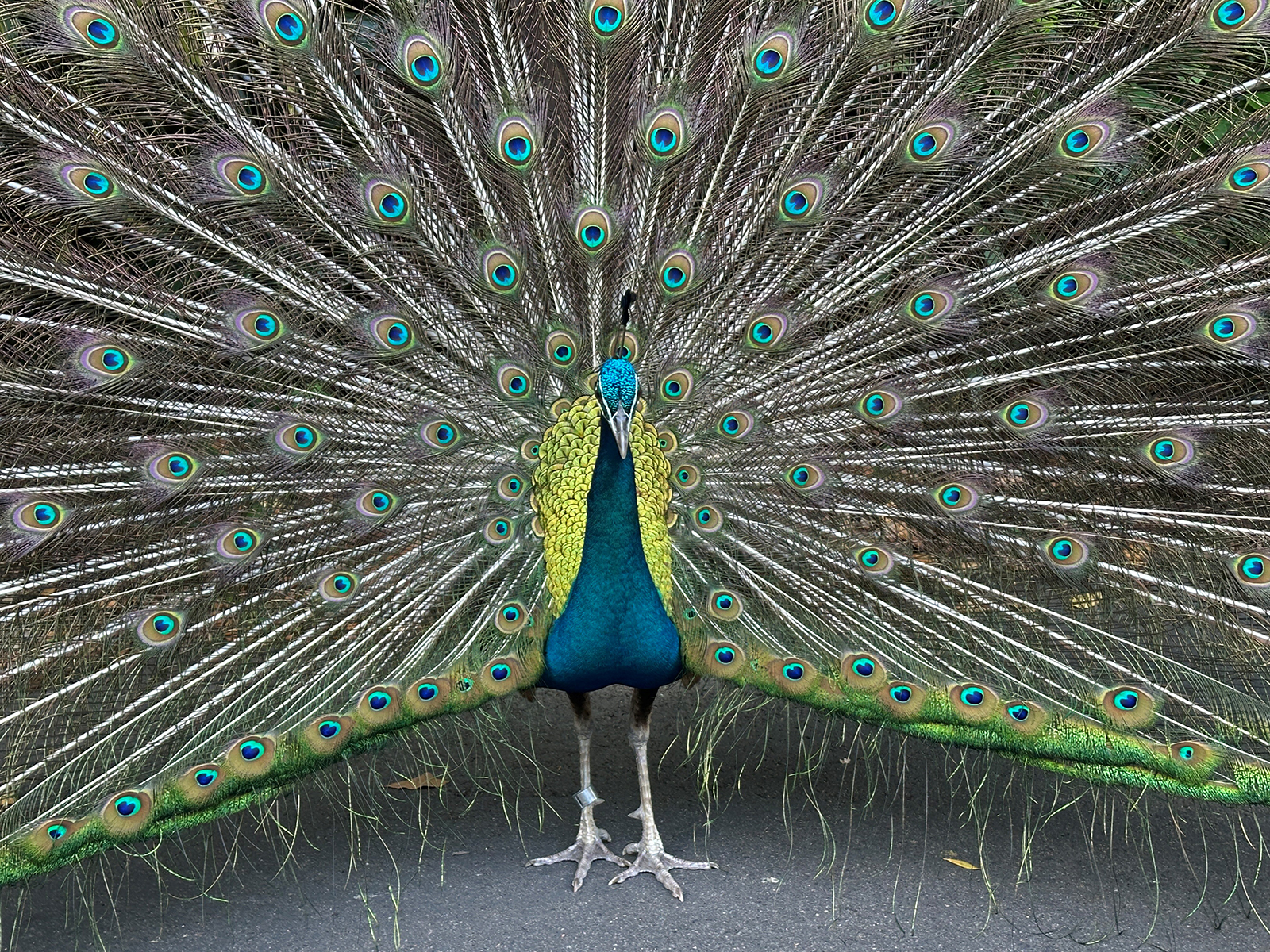
Birds are a group of warm-blooded vertebrates constituting the class Aves, characterised by feathers, toothless beaked jaws, the laying of hard-shelled eggs, a high metabolic rate, a four-chambered heart, and a strong yet lightweight skeleton.
Birds live worldwide and range in size from the 5.5cm bee hummingbird to the 2.8m common ostrich. There are over 11,000 living species and they are split into 44 orders. More than half are passerine or “perching” birds. Birds have wings whose development varies according to species; the only known groups without wings are the extinct moa and elephant birds.
Wings, which are modified forelimbs, gave birds the ability to fly, although further evolution has led to the loss of flight in some birds, including ratites, penguins, and diverse endemic island species.
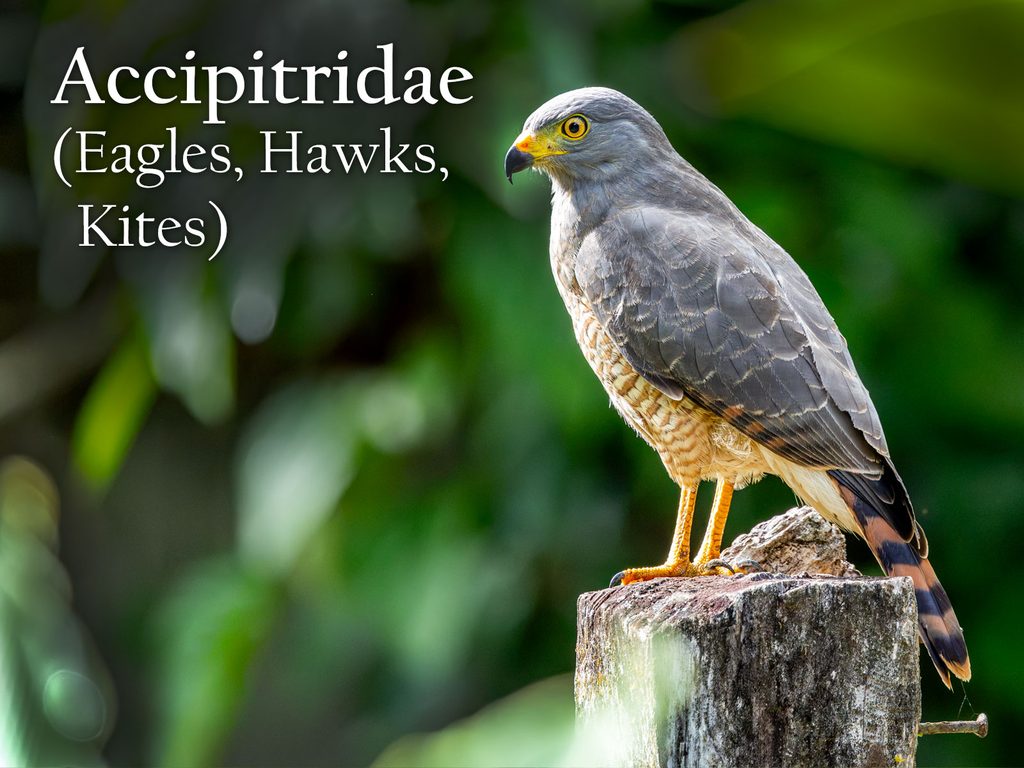
Order: Accipitriformes
Family:
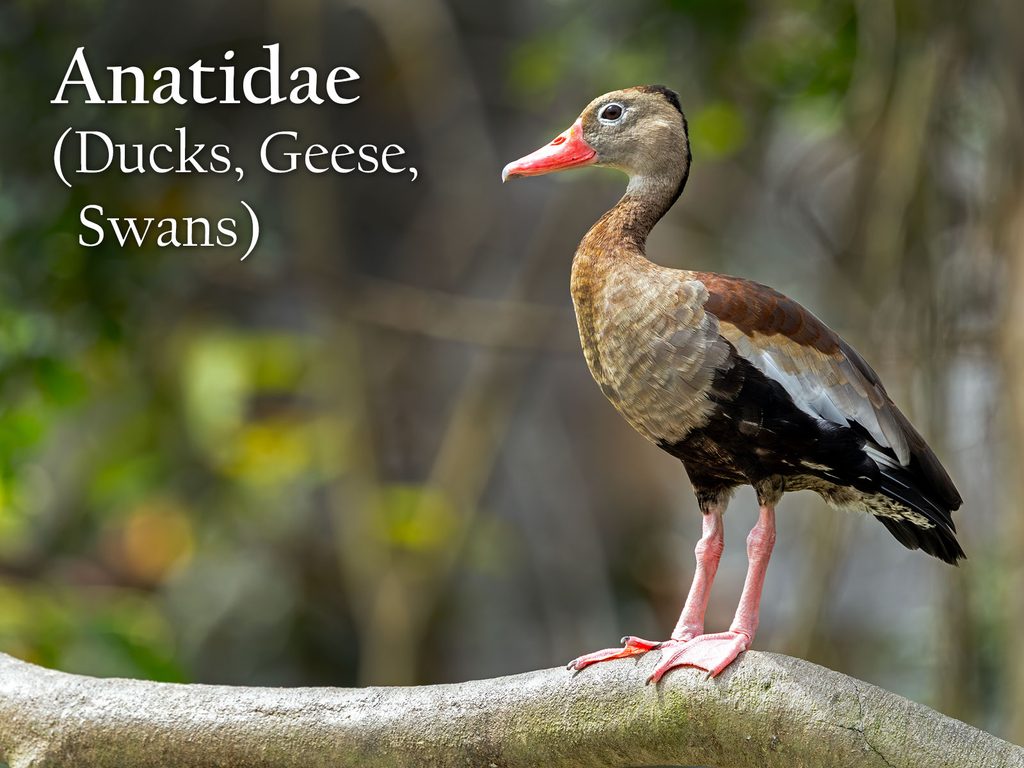
Order: Anseriformes
Family:
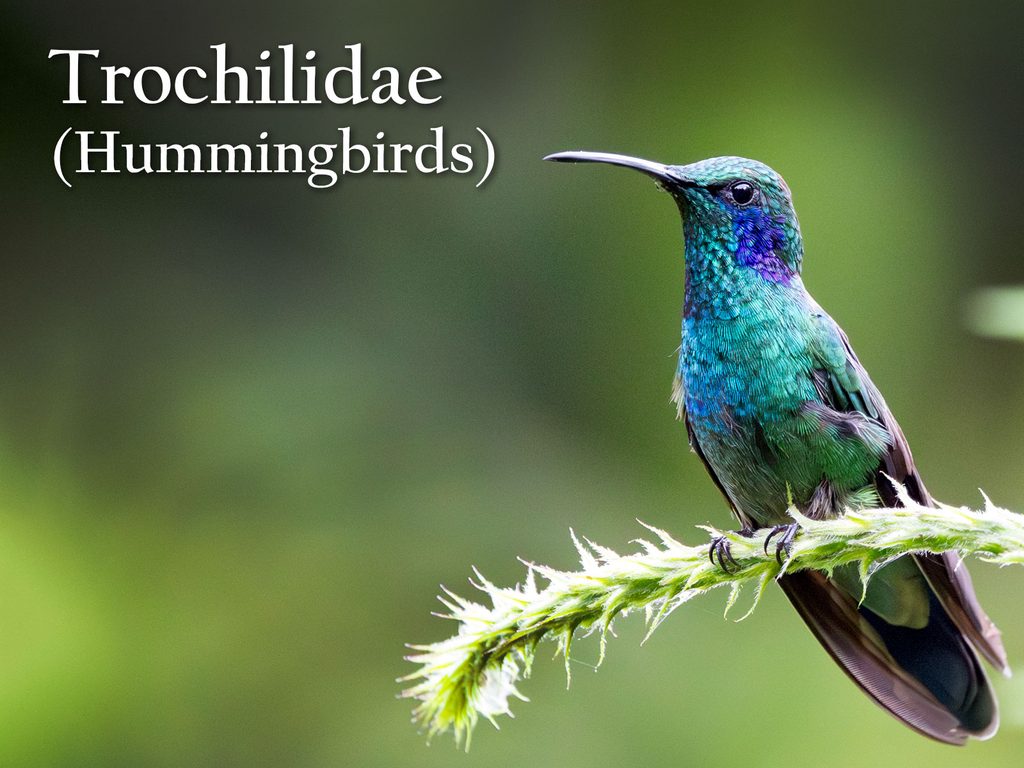
Order: Apodiformes
Family:
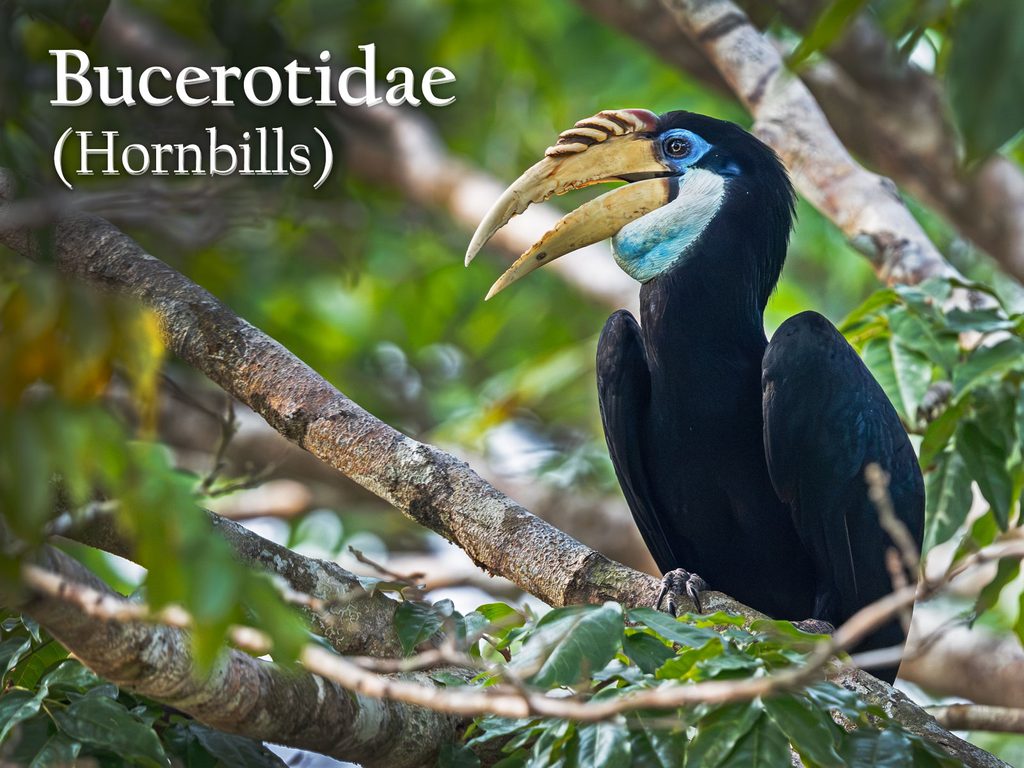
Order: Bucerotiformes
Family:
Order: Caprimulgiformes
Family:
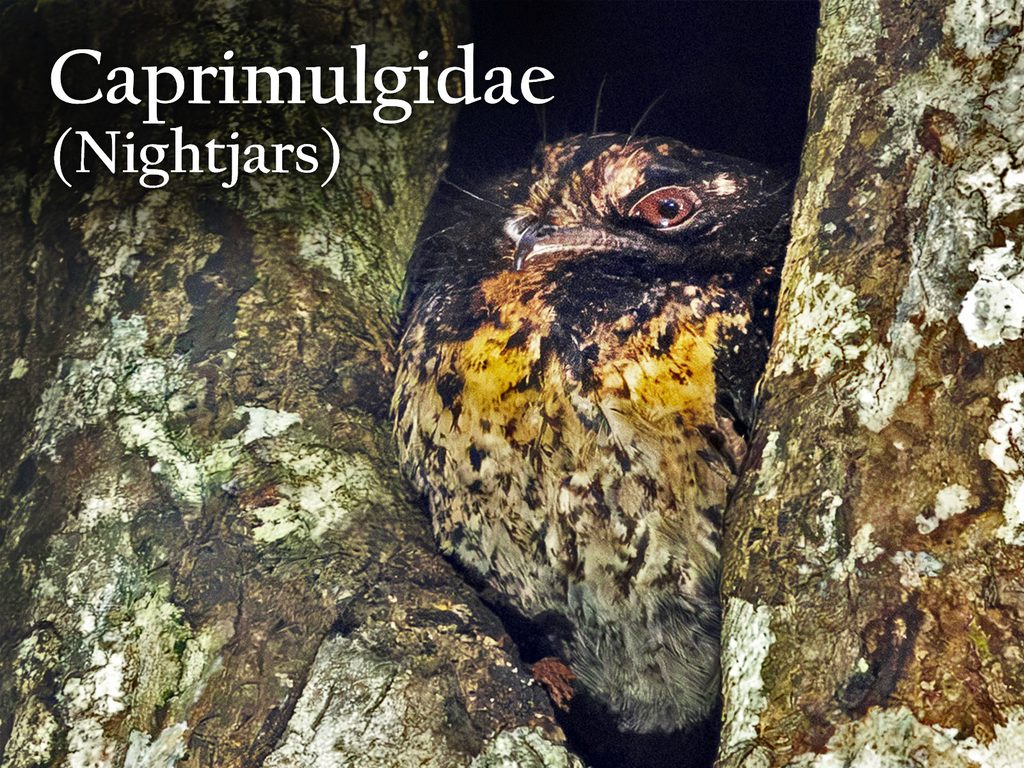
Nightjars
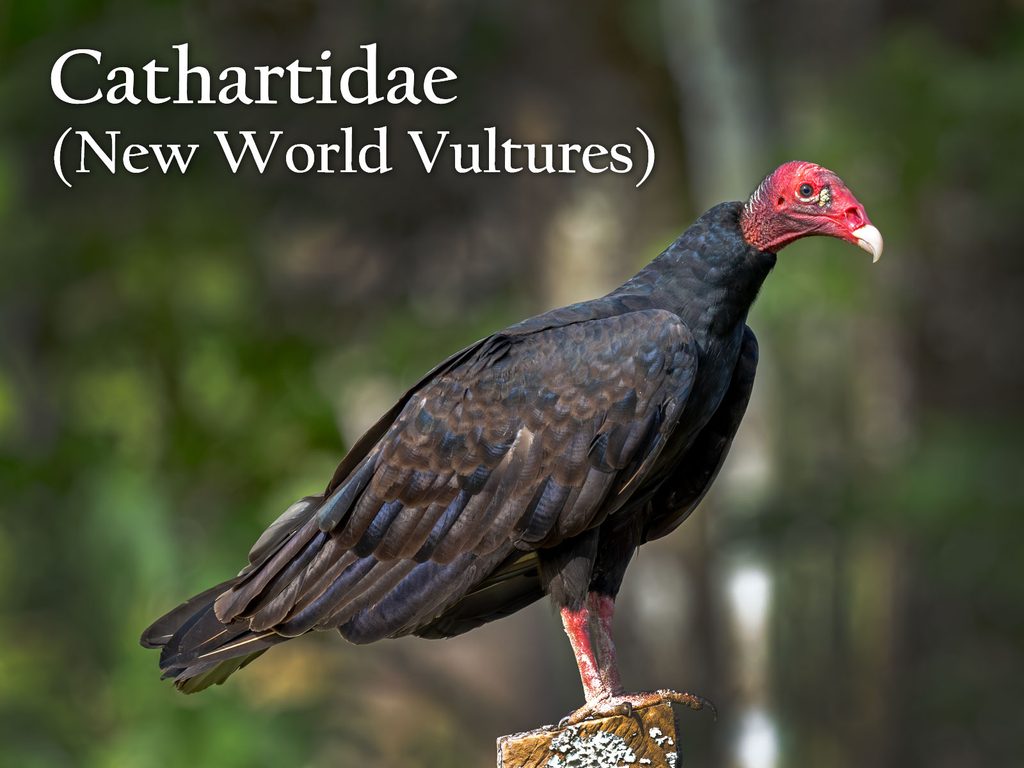
Order: Cathartiformes
Family:
Order: Charadriiformes
Family:
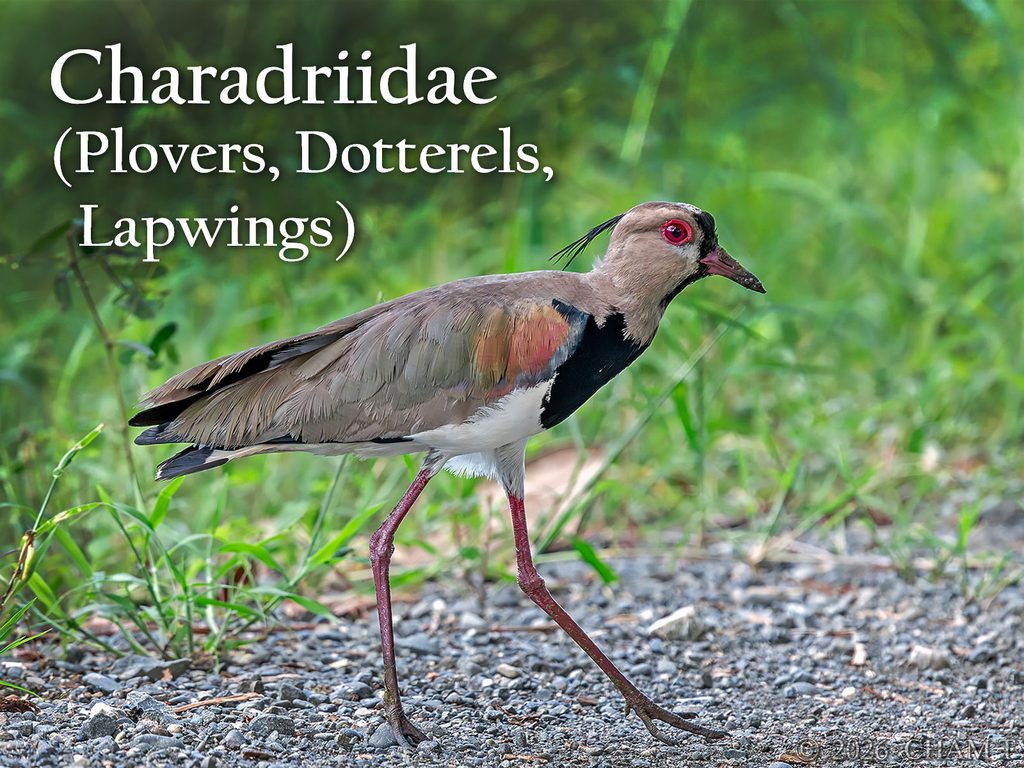
Order: Columbiformes
Family:
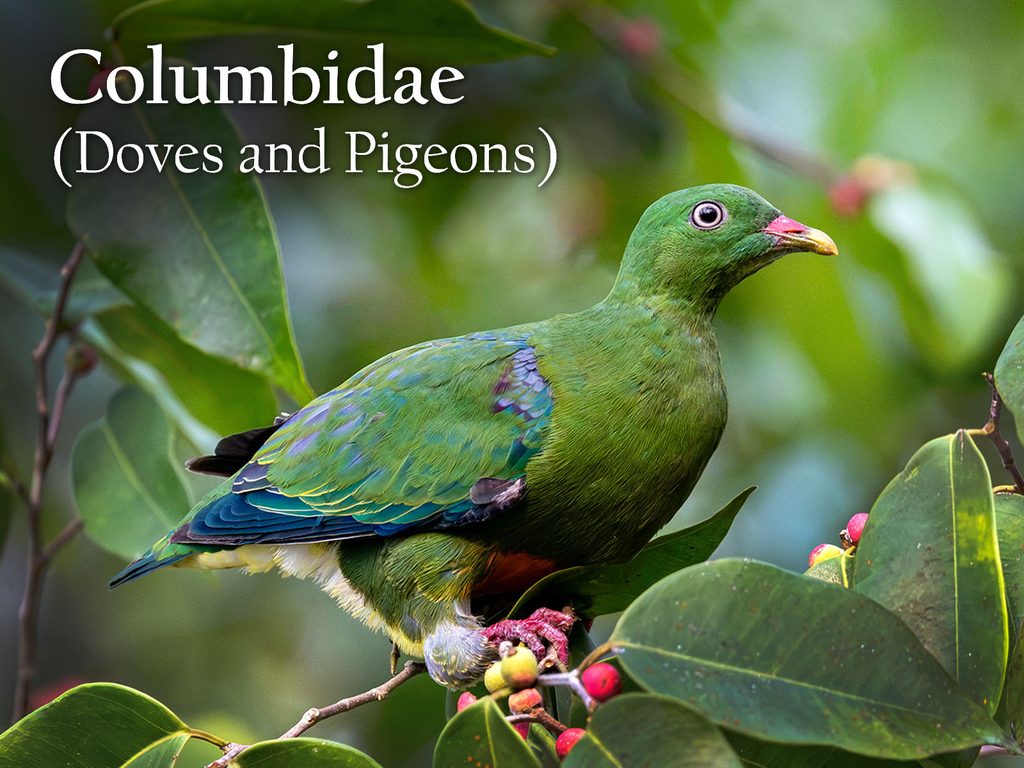
Order: Coraciiformes
Families:
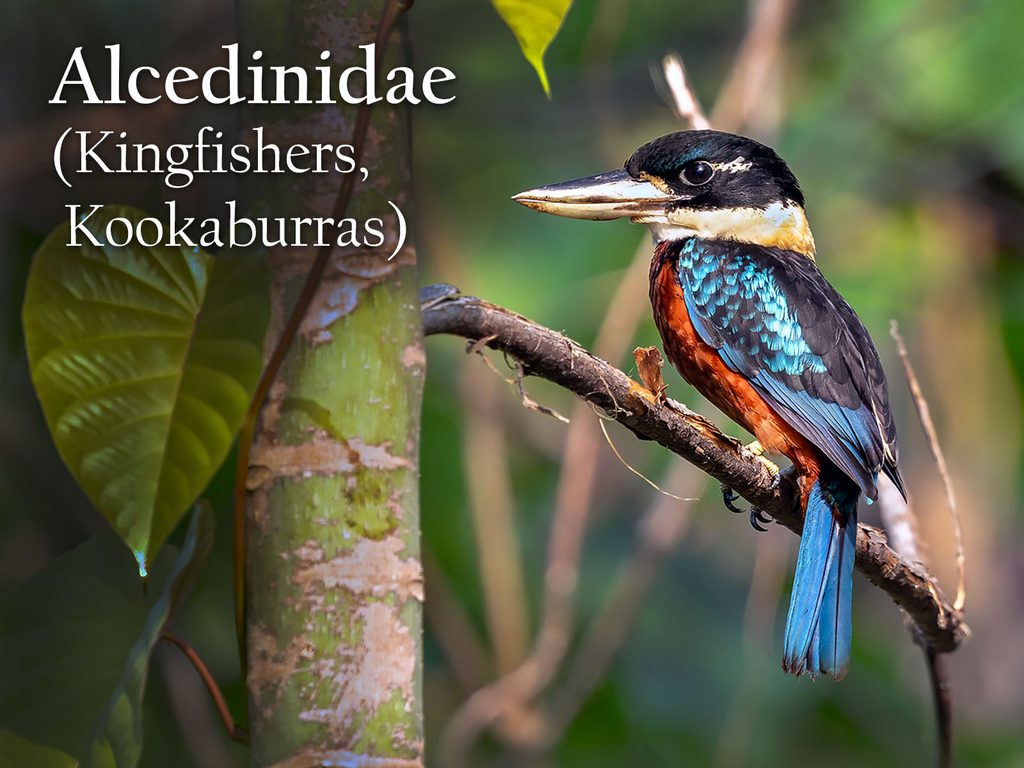
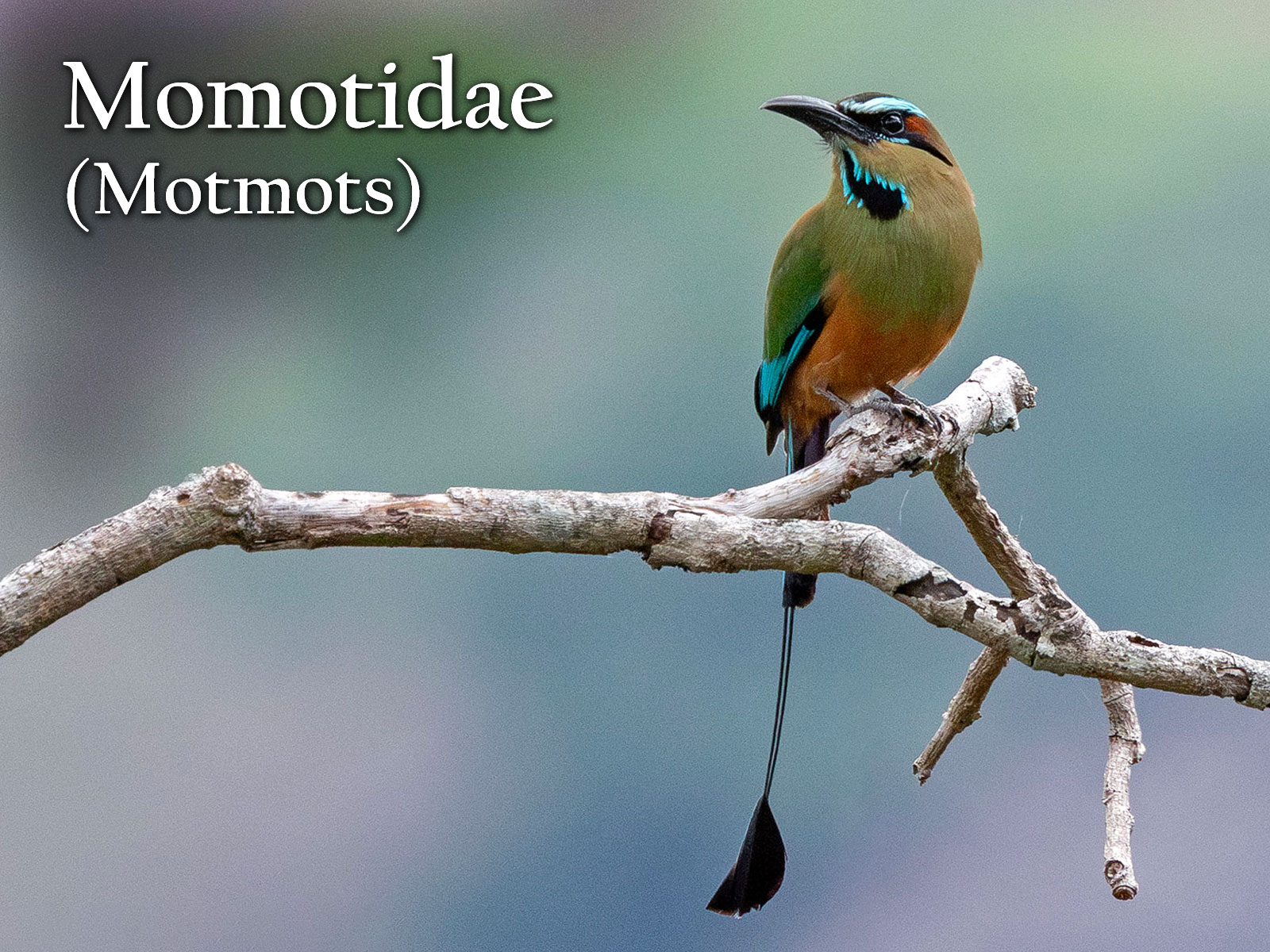
Order: Falconiformes
Family:
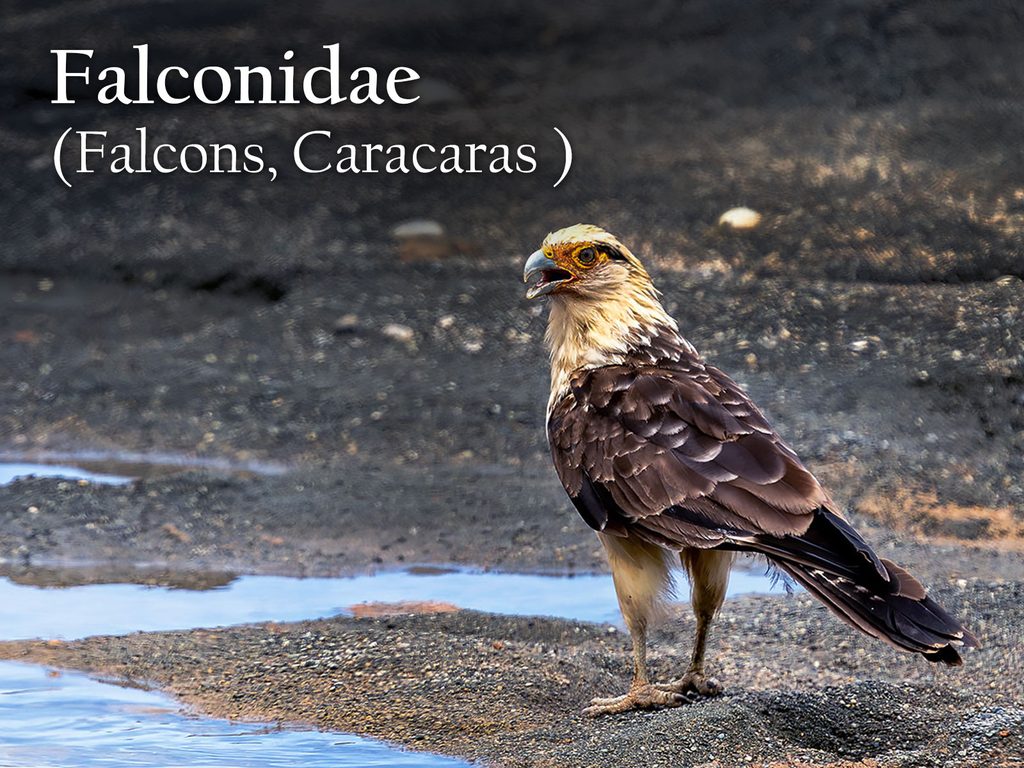
Order: Galliformes
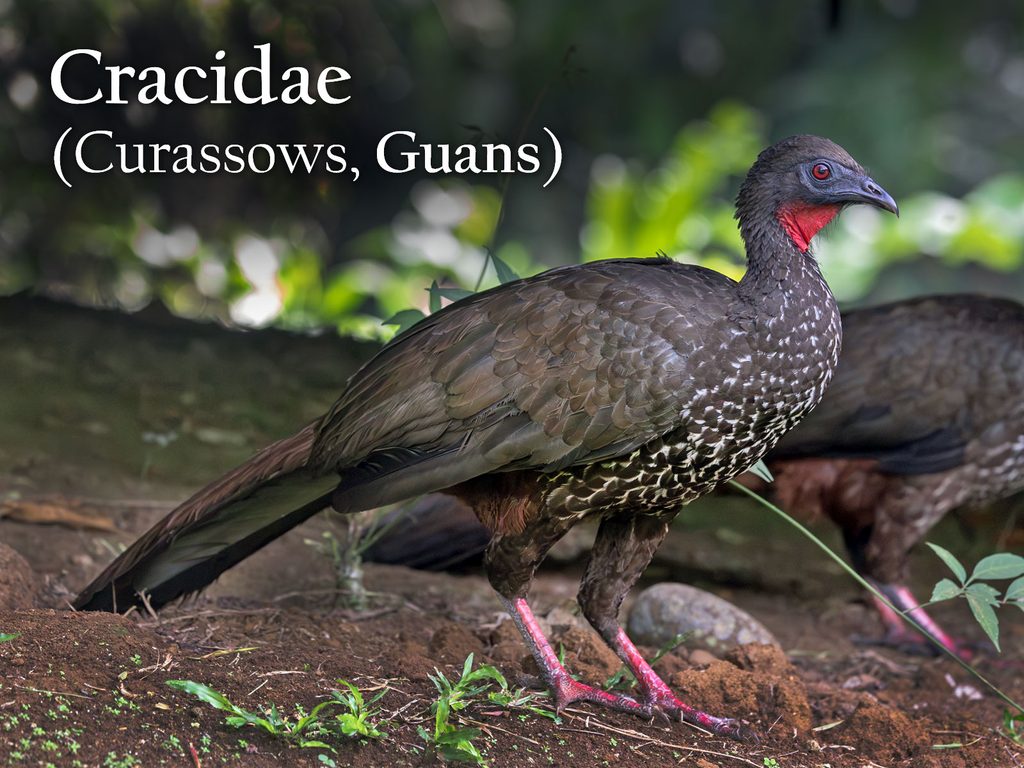
Families:
Order: Musophagiformes
Family:
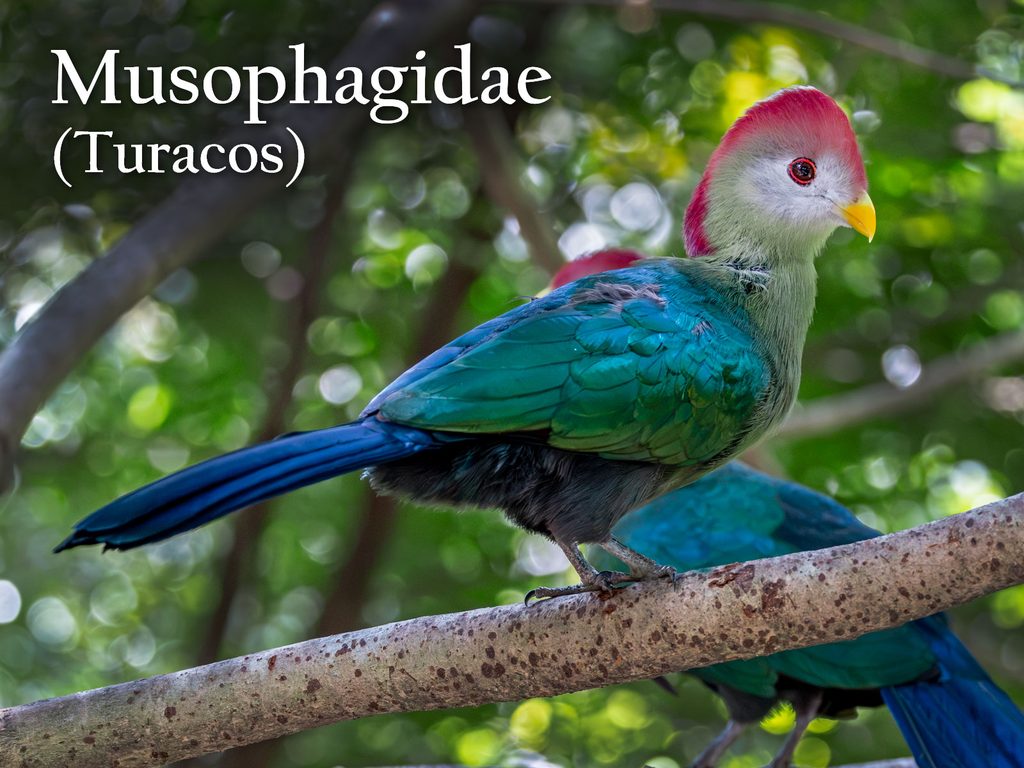
Turacos
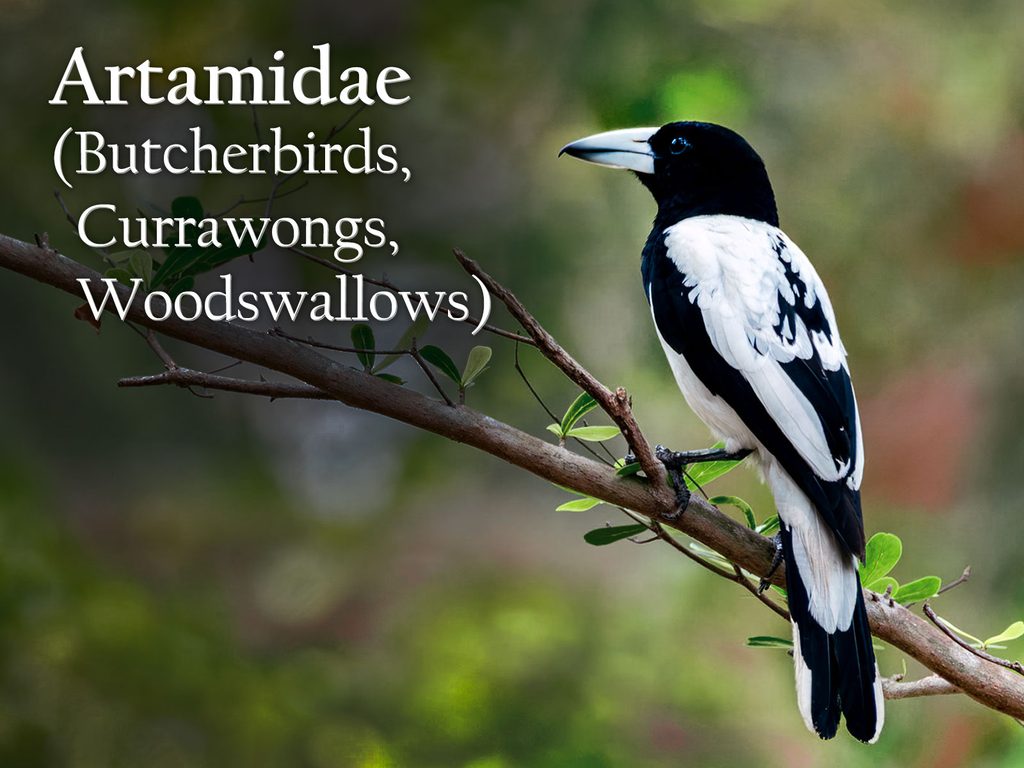
Order: Passeriformes
A passerine is any bird of the order Passeriformes. Sometimes known as perching birds, passerines generally have an anisodactyl arrangement of their toes (three pointing forward and one back), which facilitates perching.
With more than 140 families and some 6,500 identified species,[1] Passeriformes is the largest order of birds and one of the most diverse clades of terrestrial vertebrates, representing 60% of birds.
Families
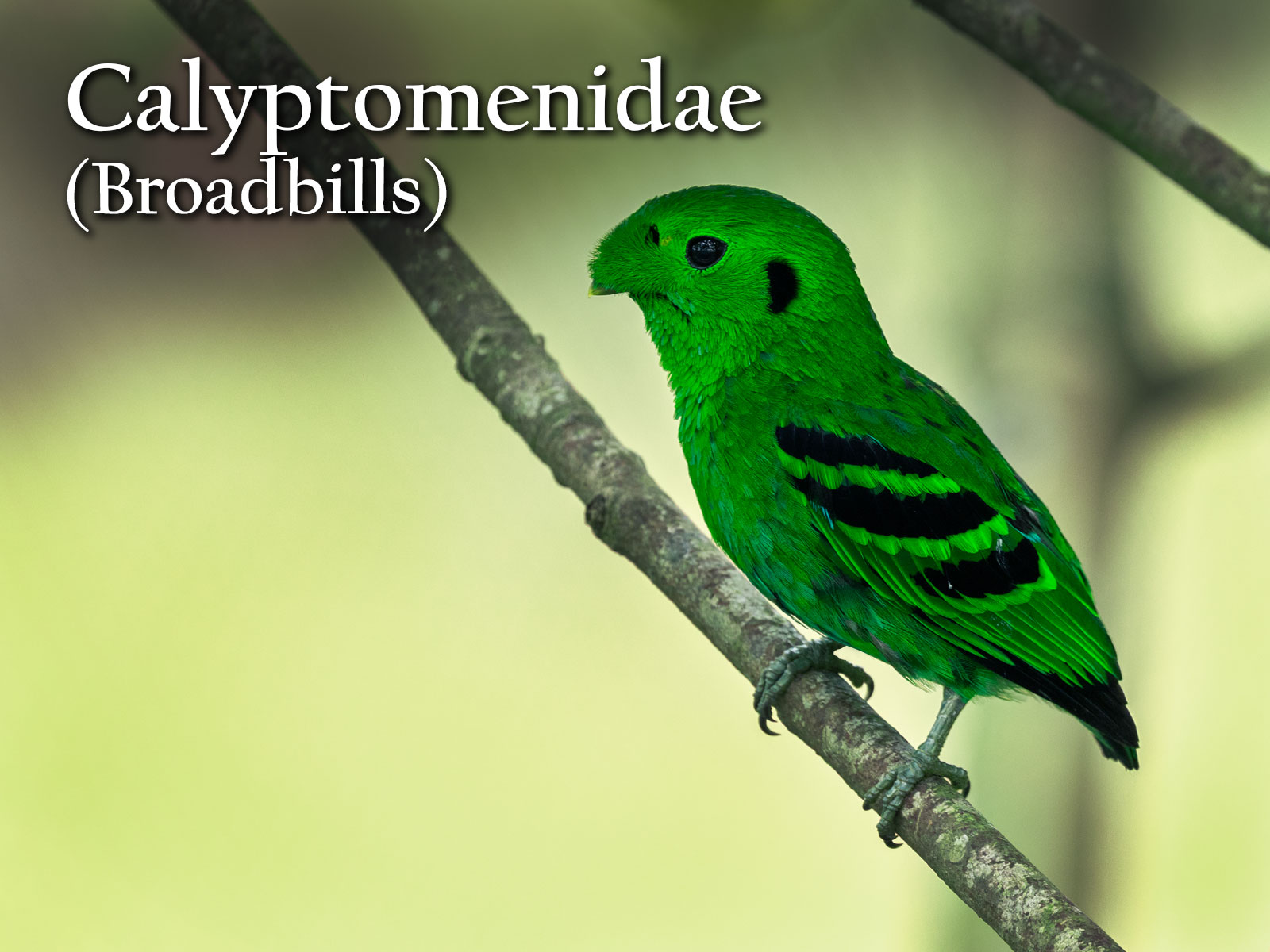
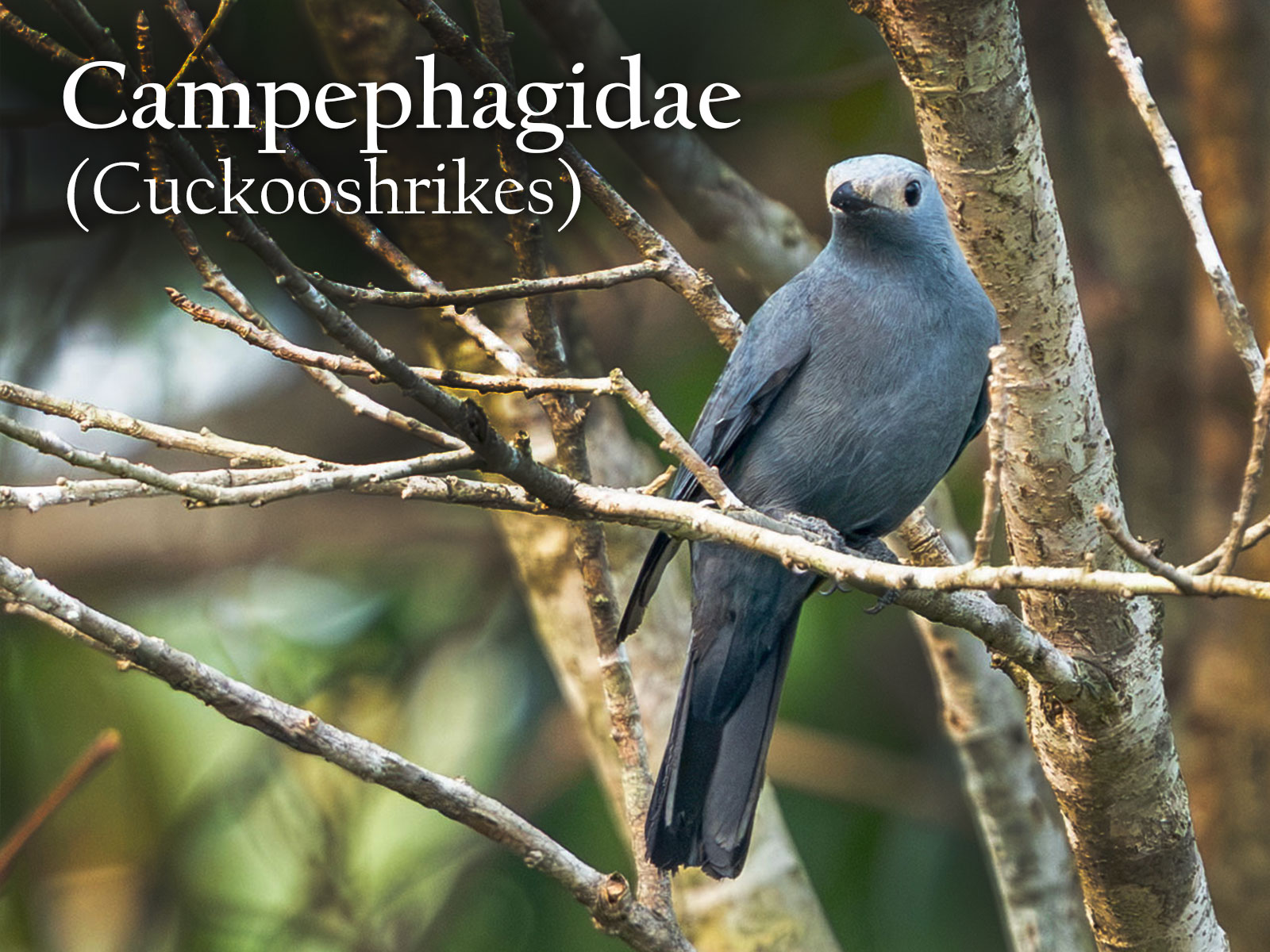
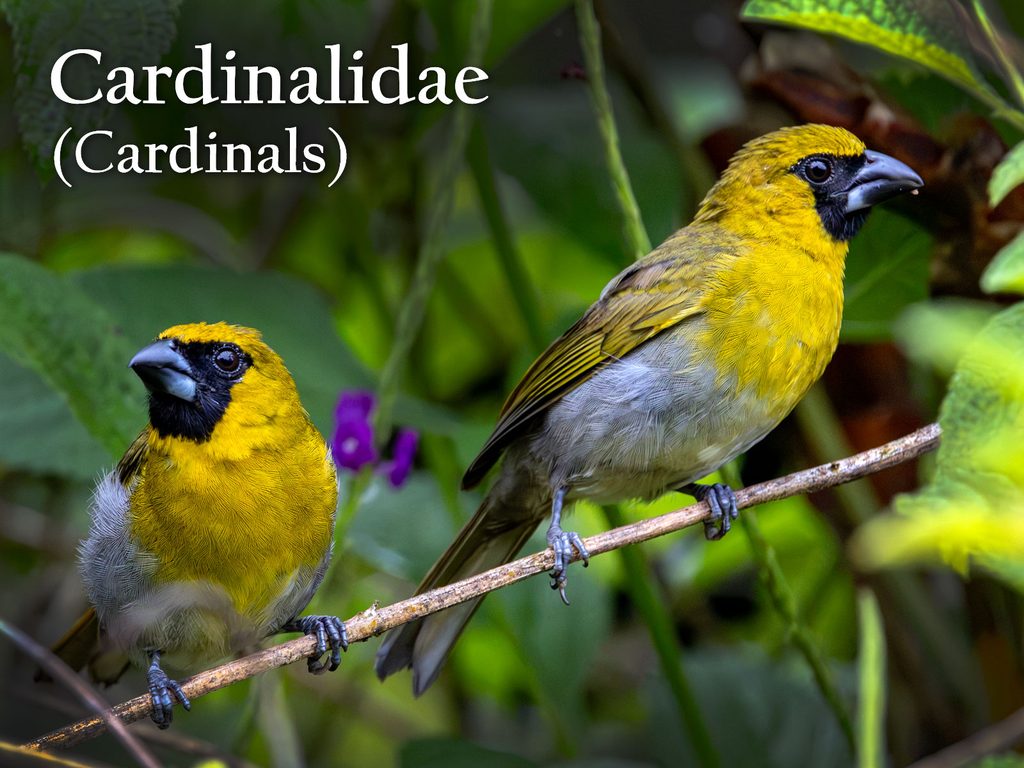
Cardinalidae
Cardinals
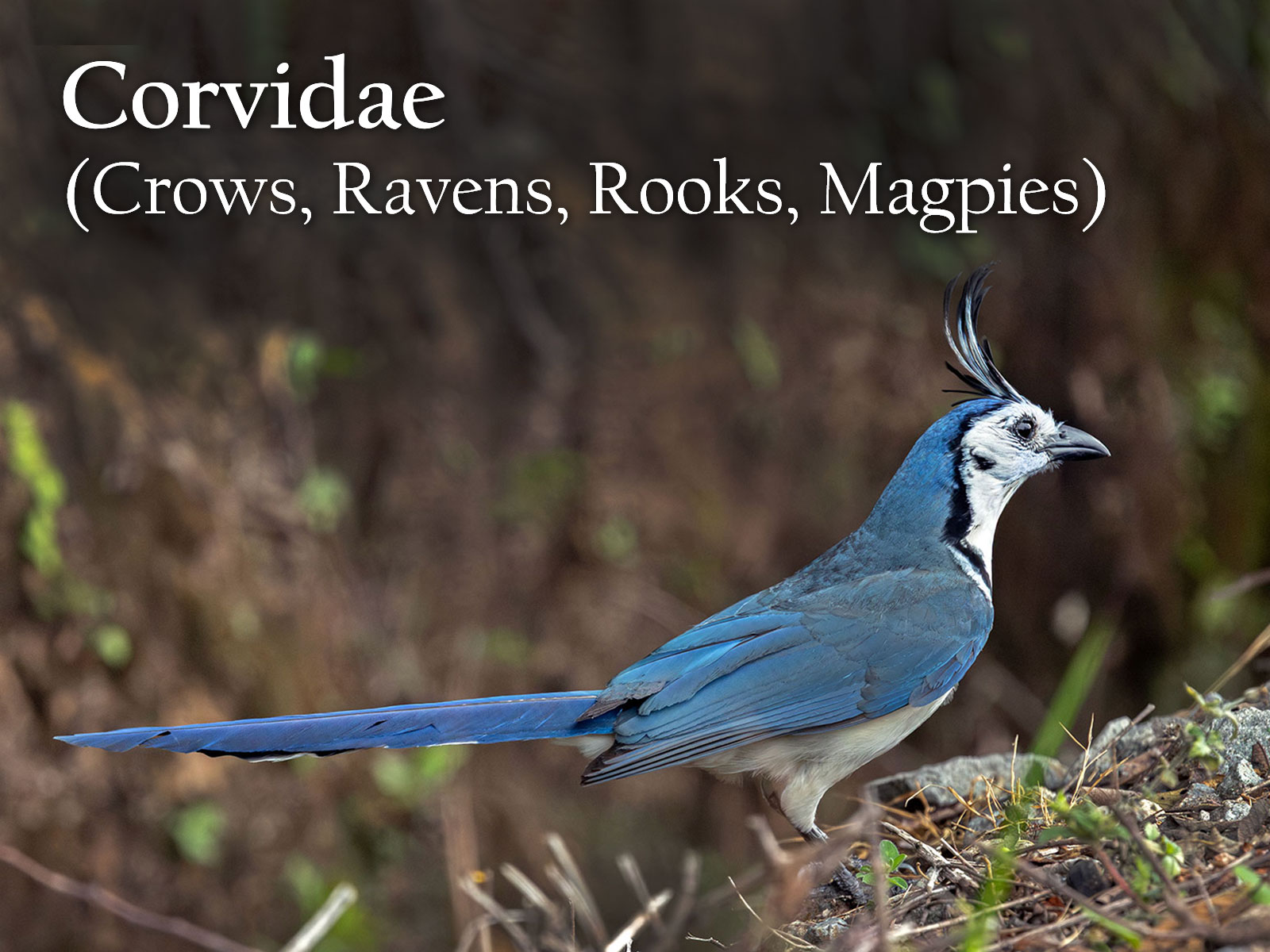
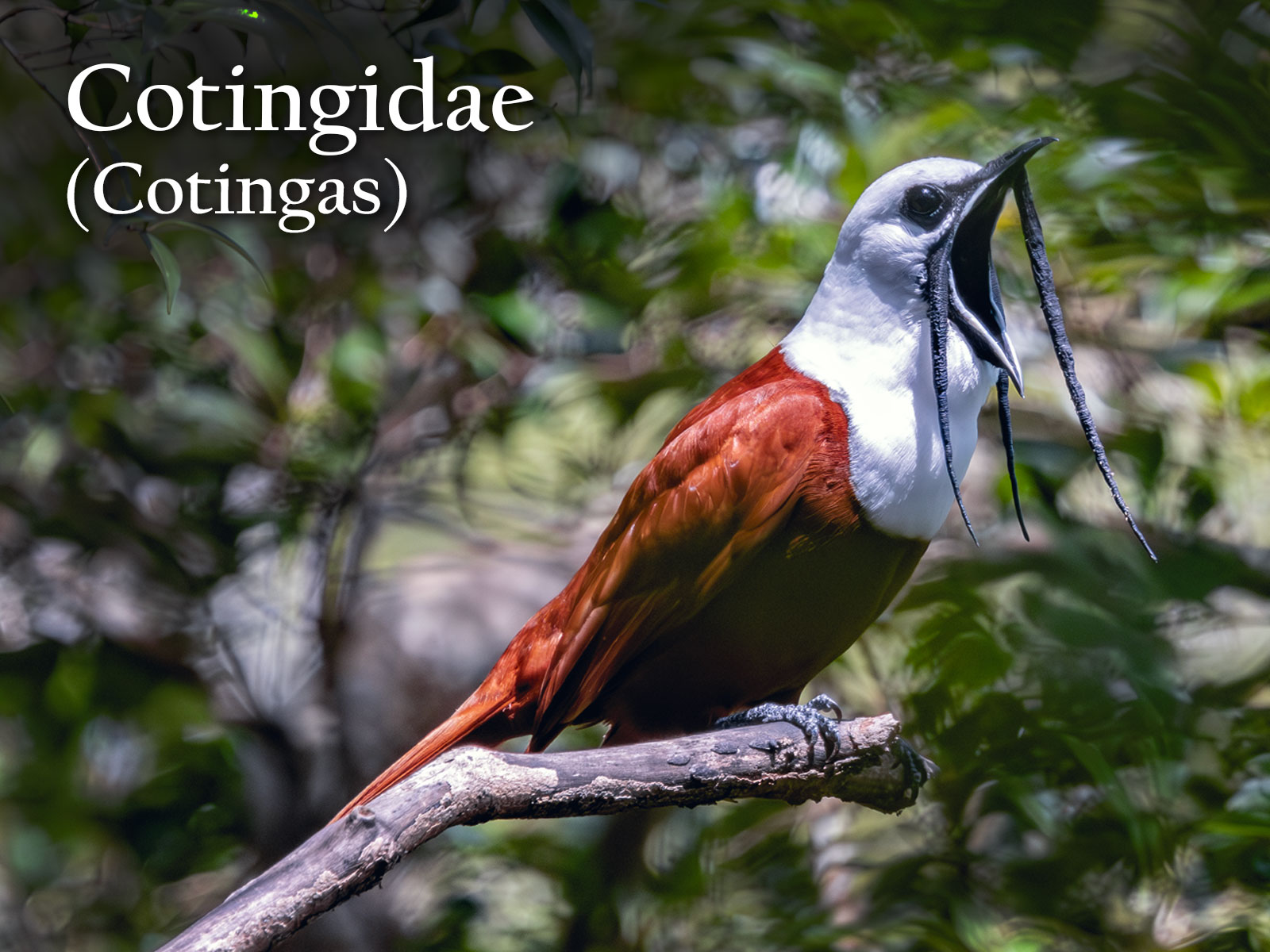
Cotingidae
Cotingas (include Bellbirds, Cock-of-the-Rock)
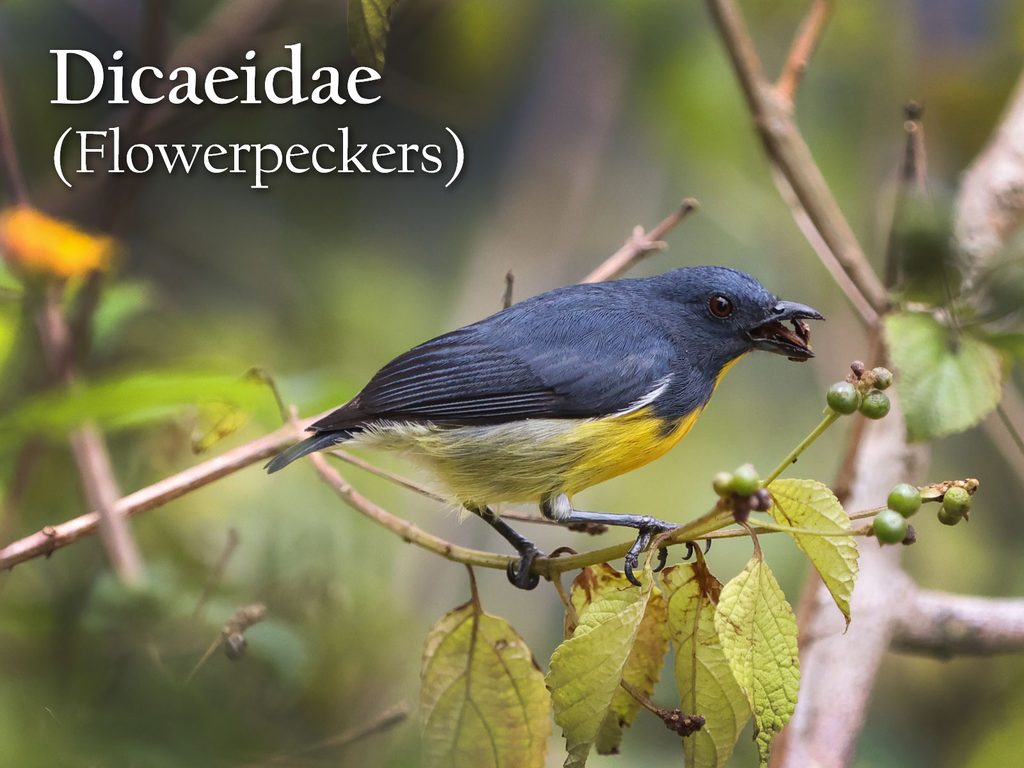
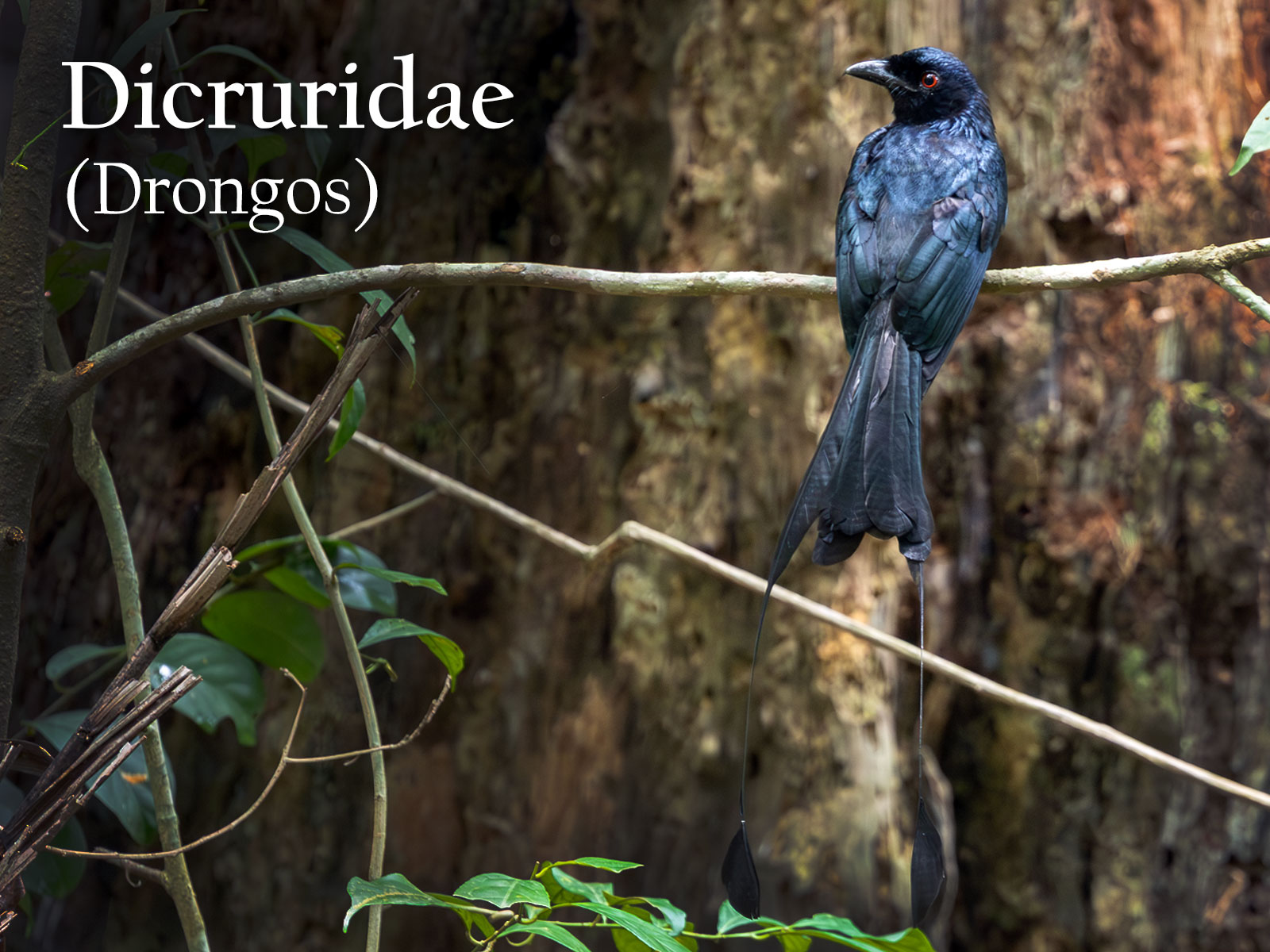
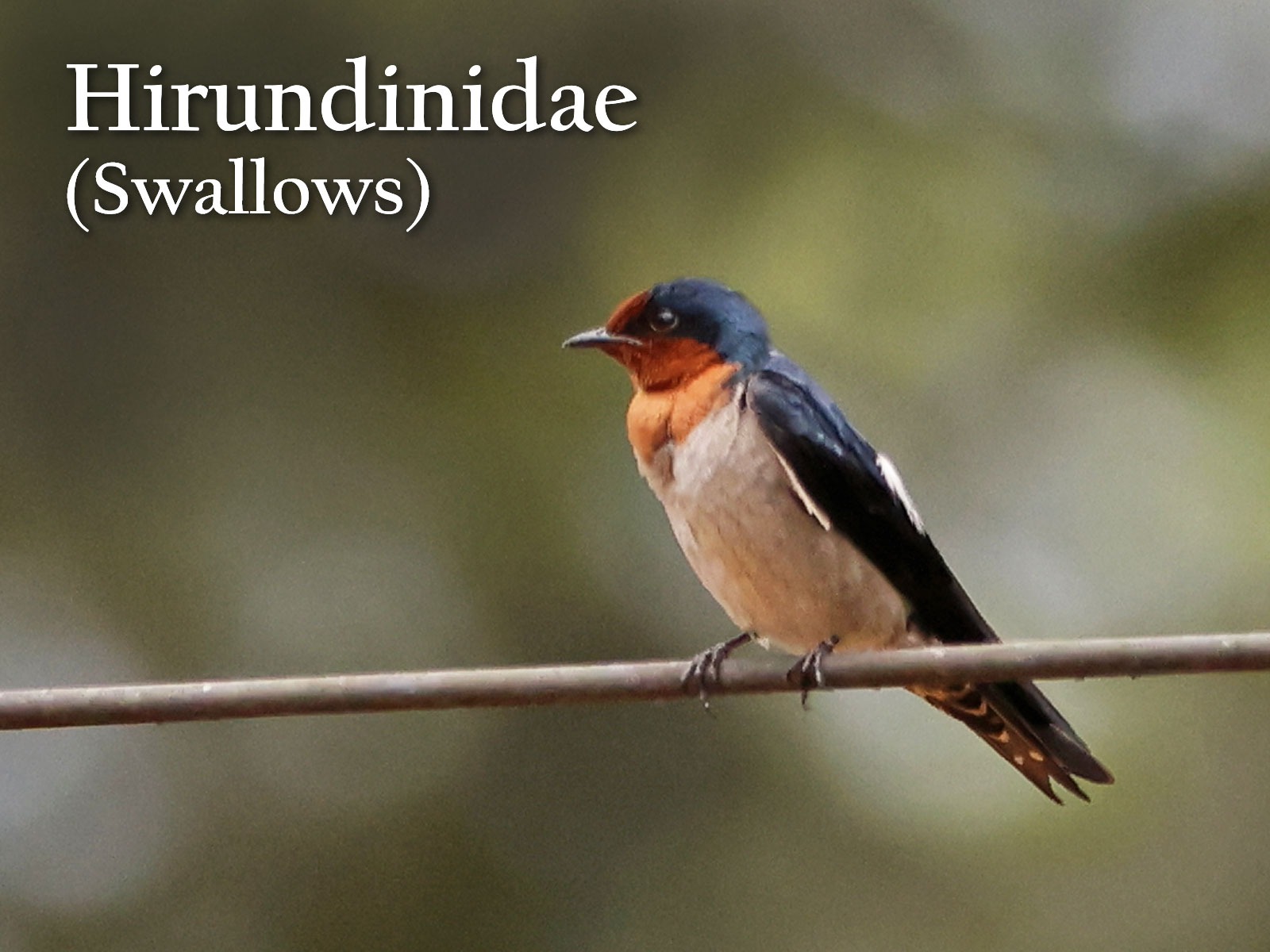
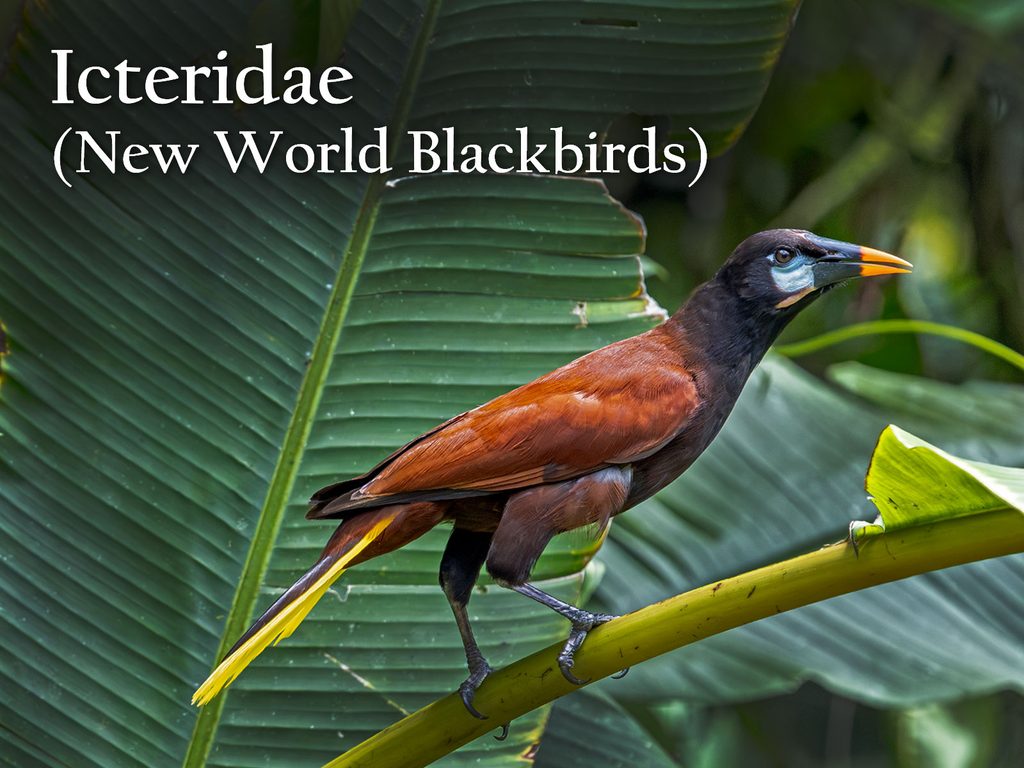
Icteridae
New World Blackbirds
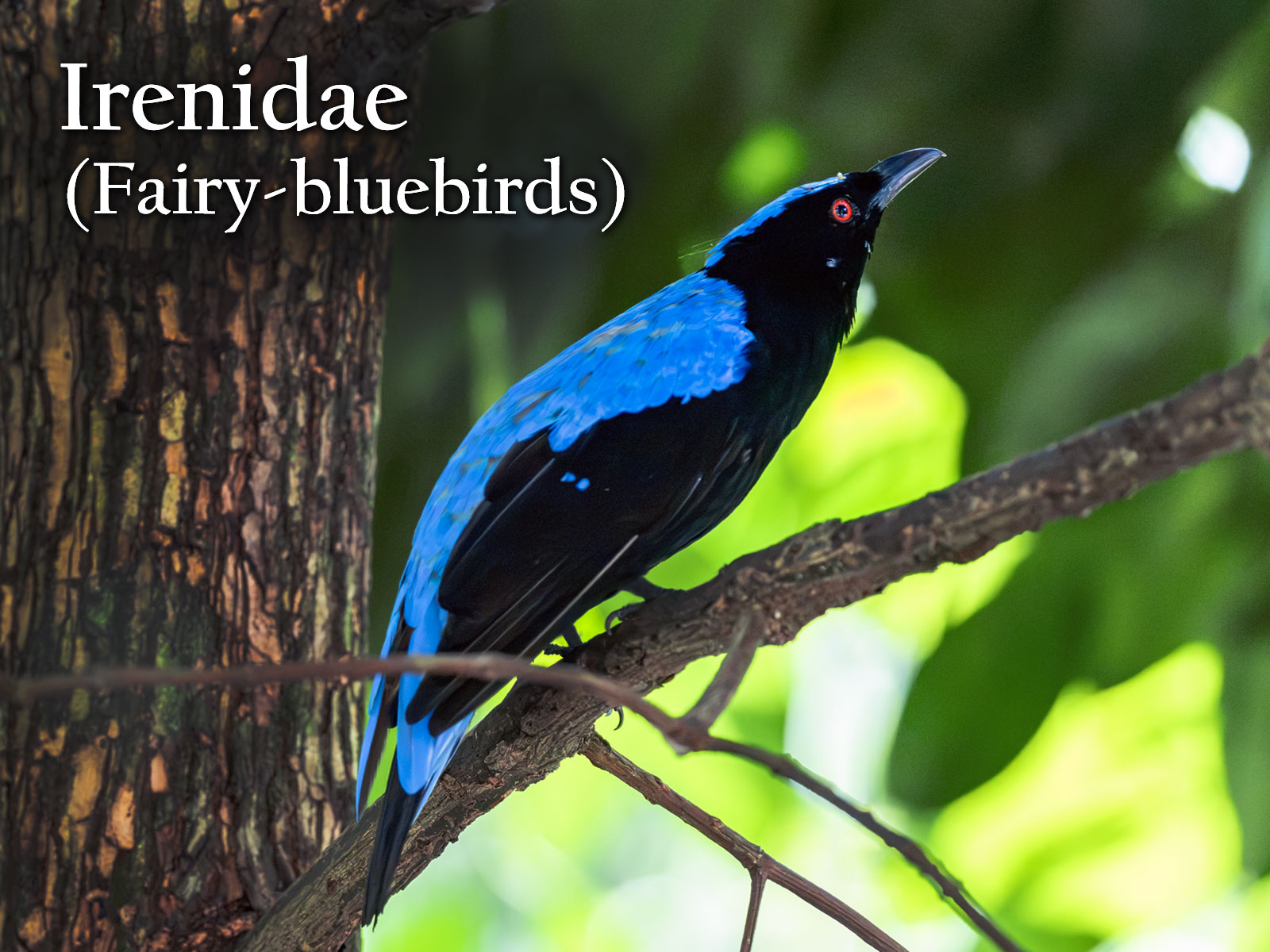
Fairy-Bluebirds
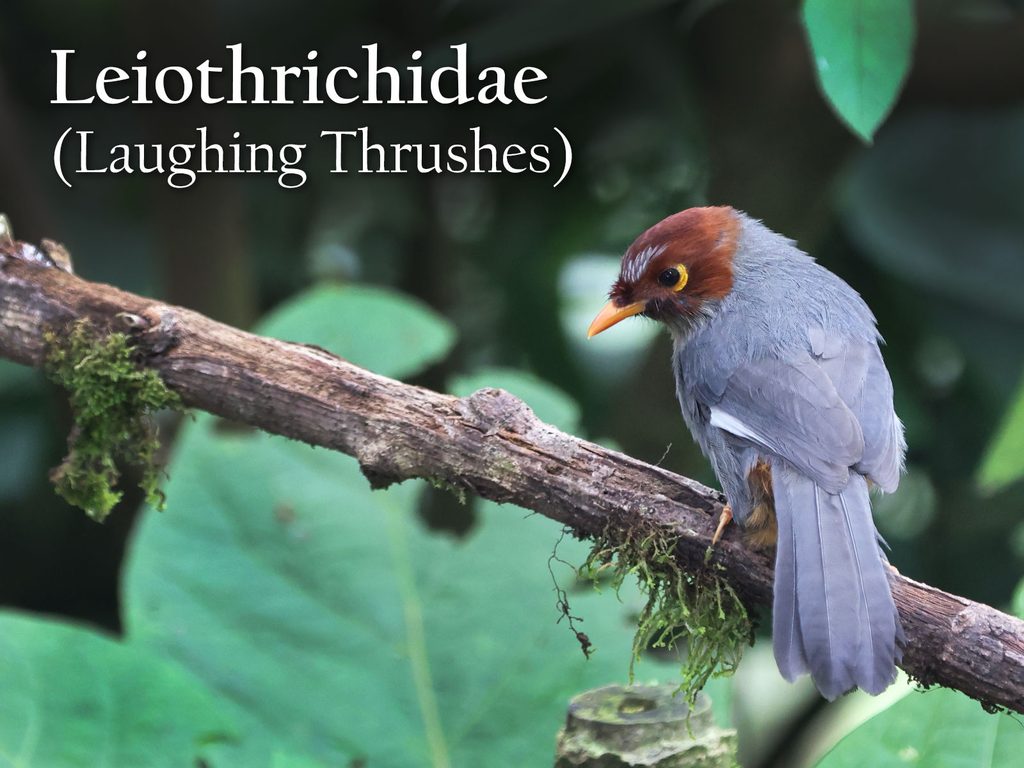
Leiothrichidae
Laughing Thrushes
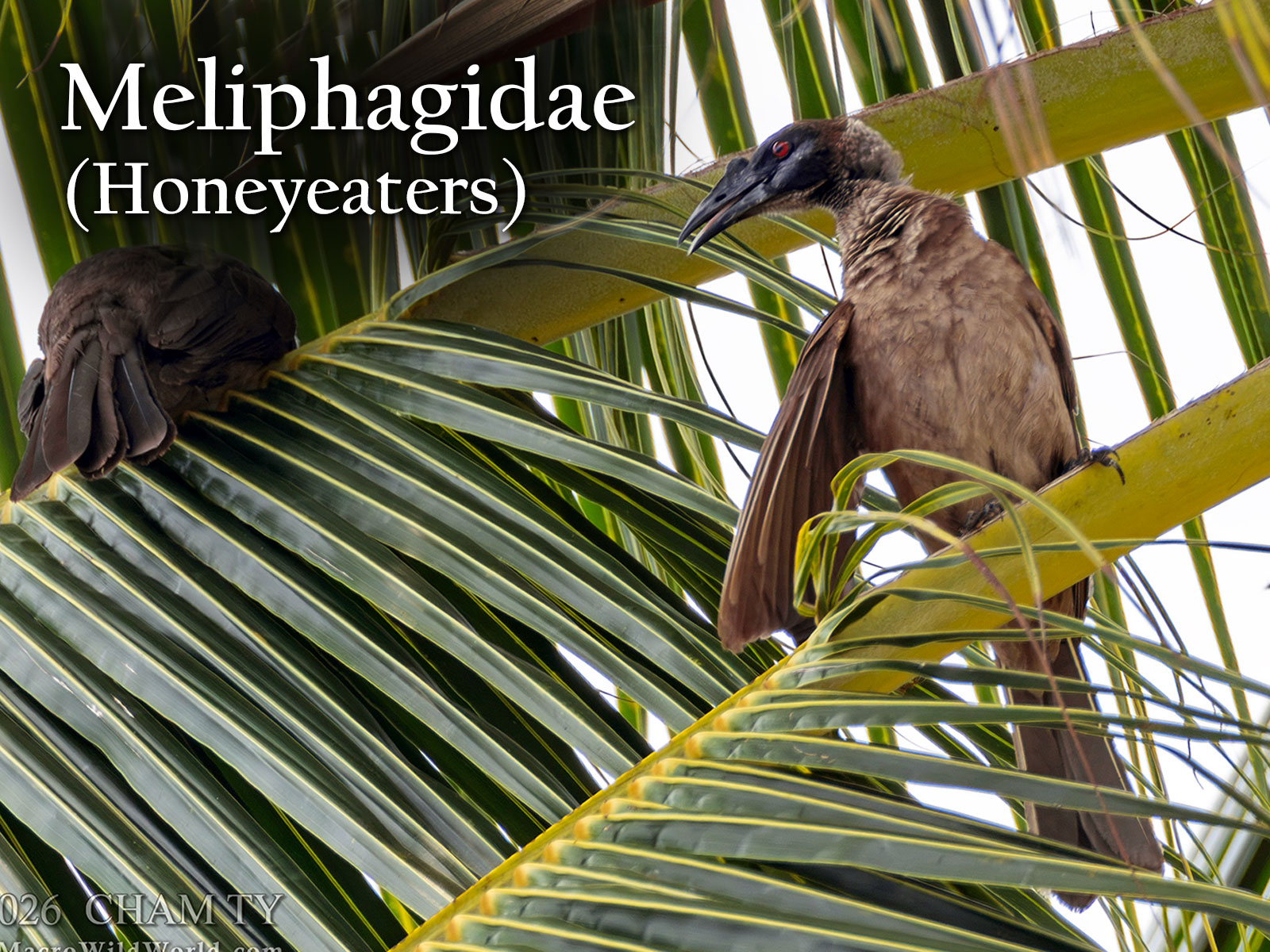
Honeyeater
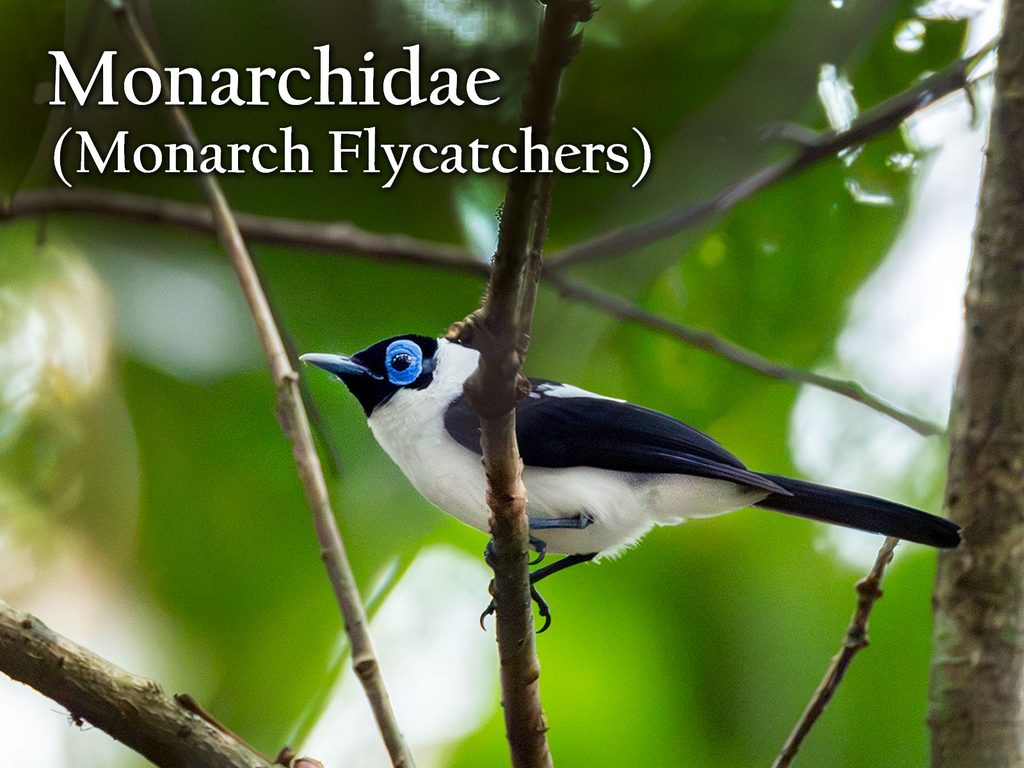
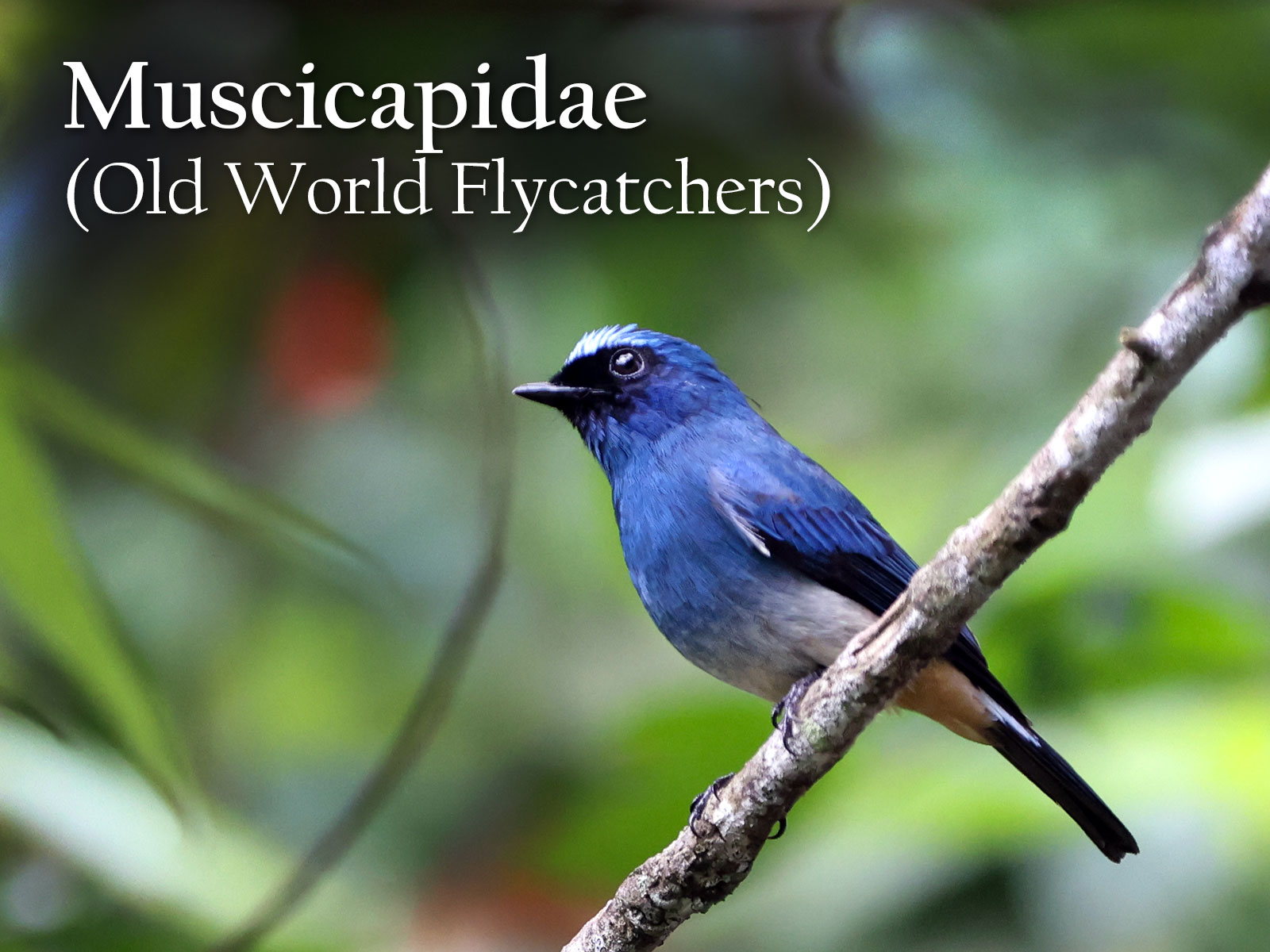
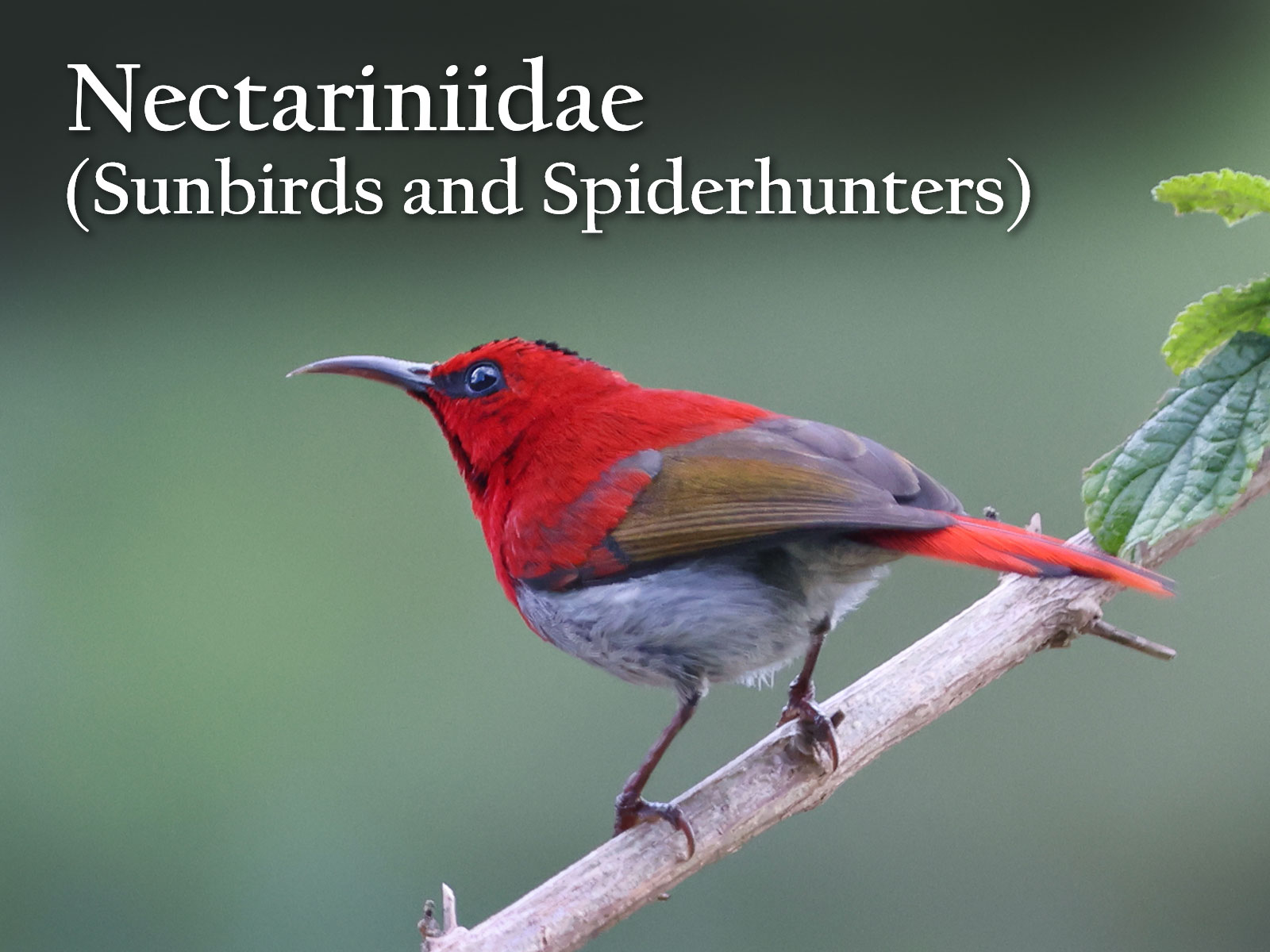
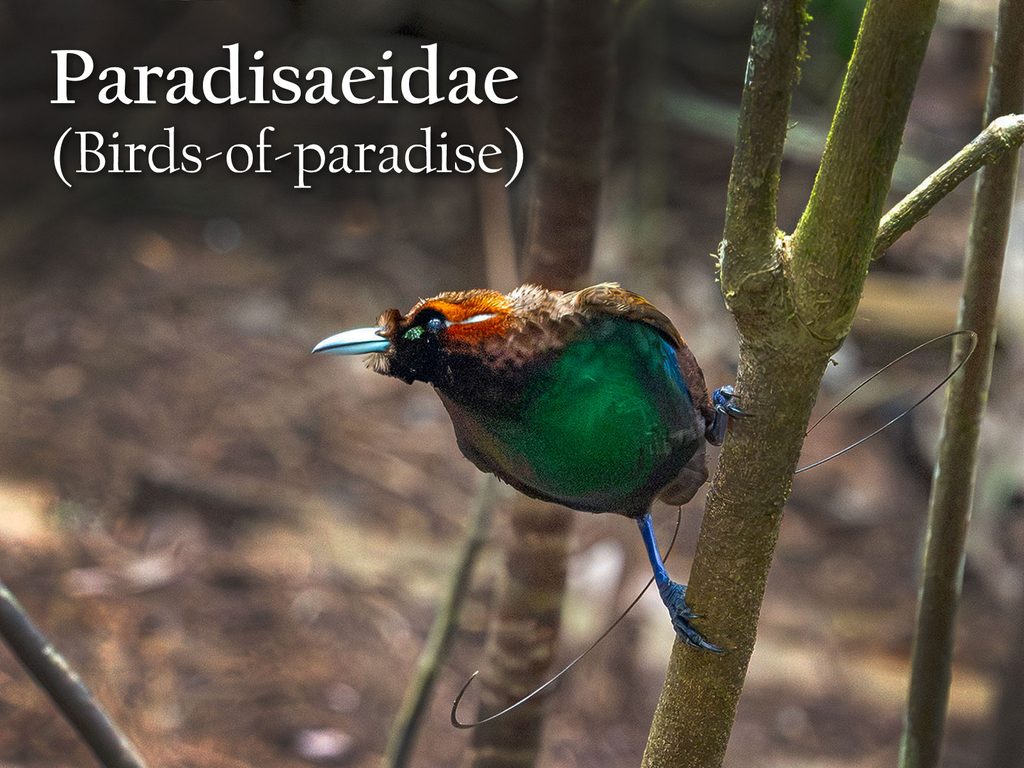
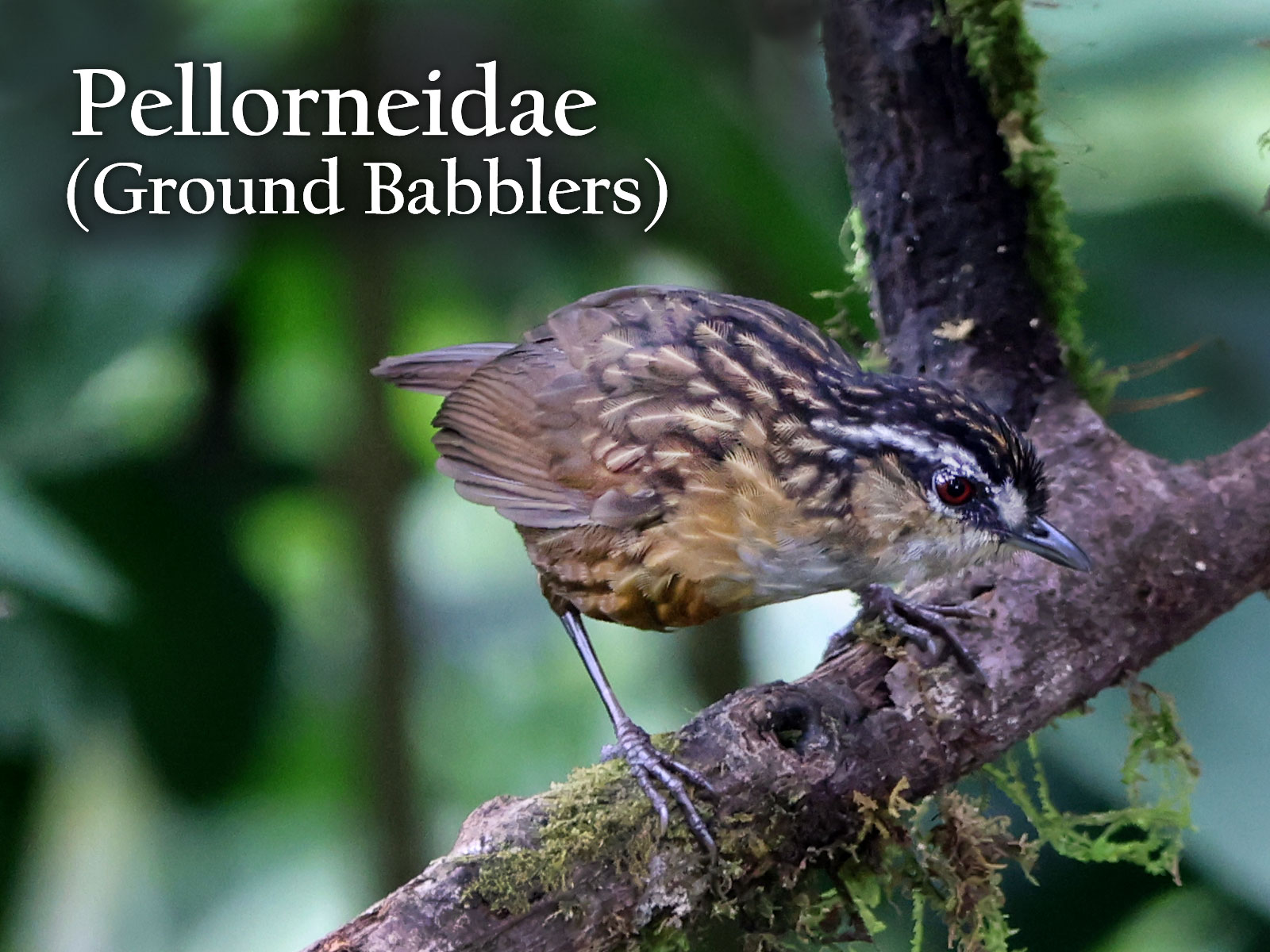
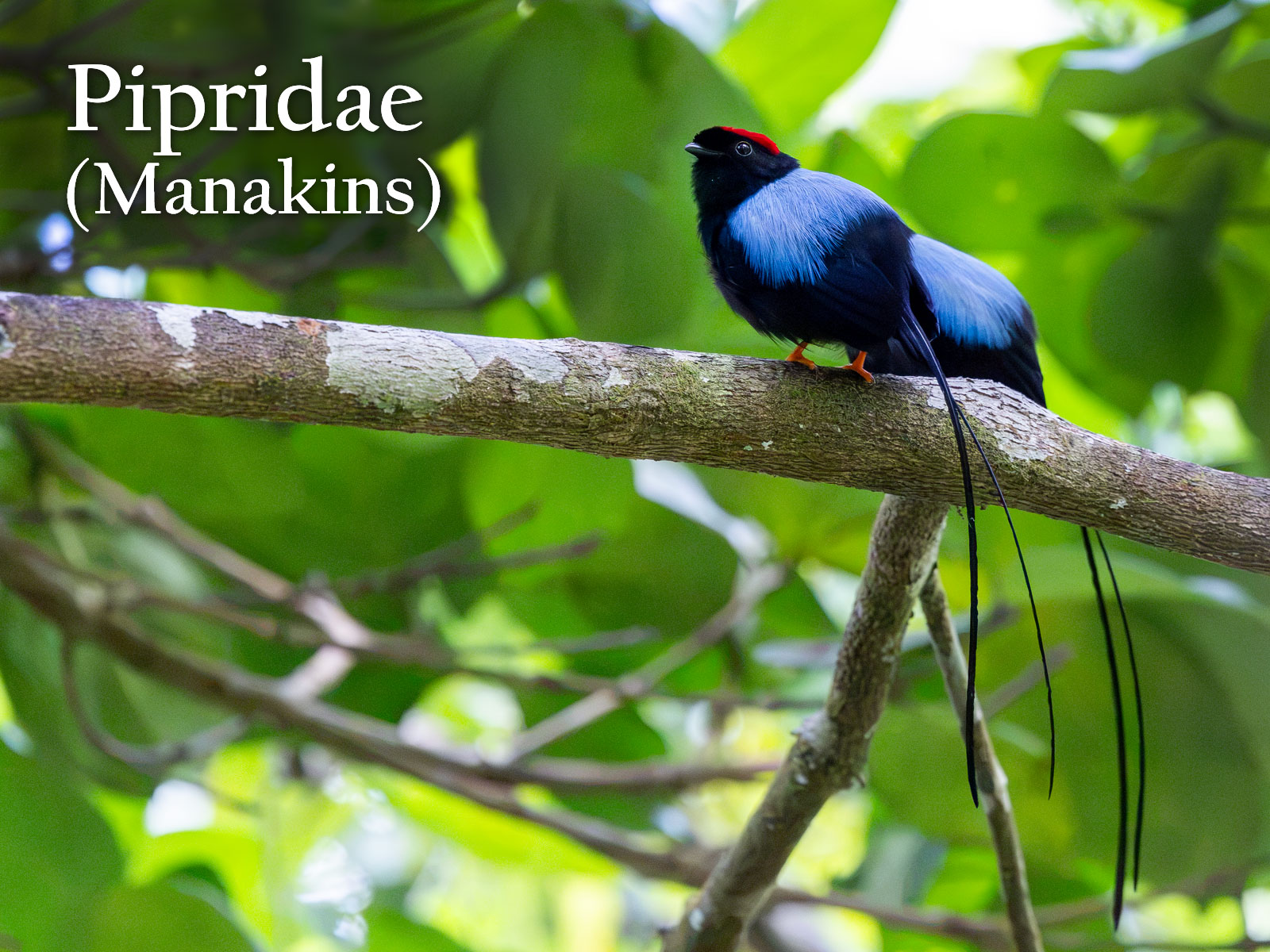
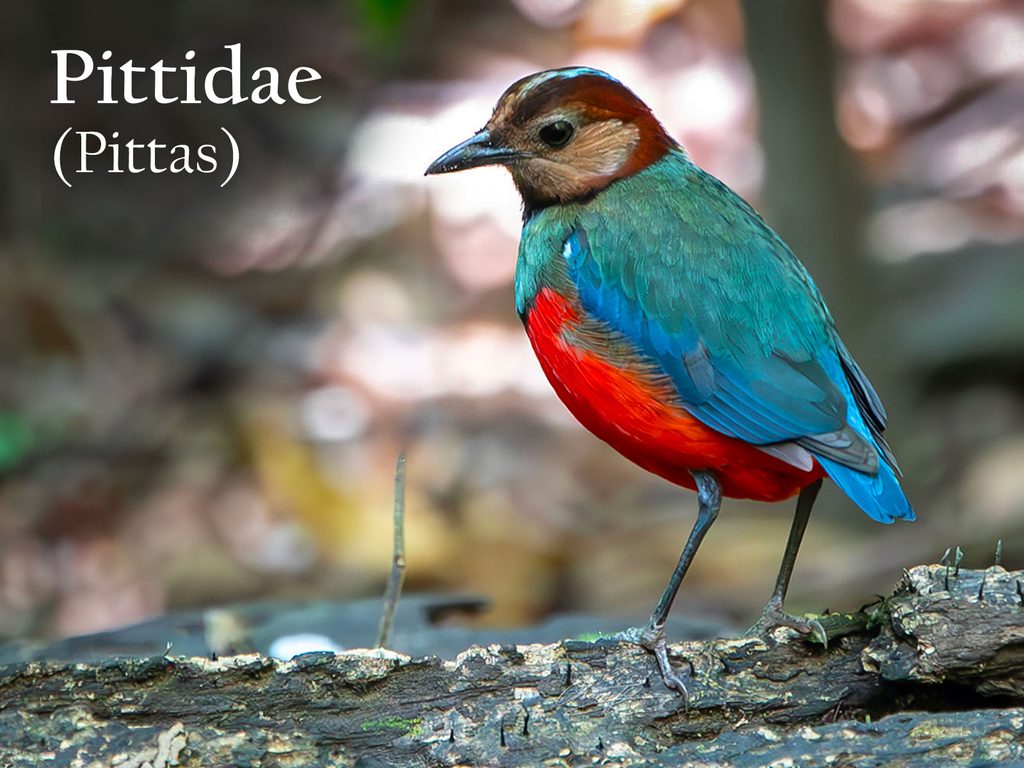
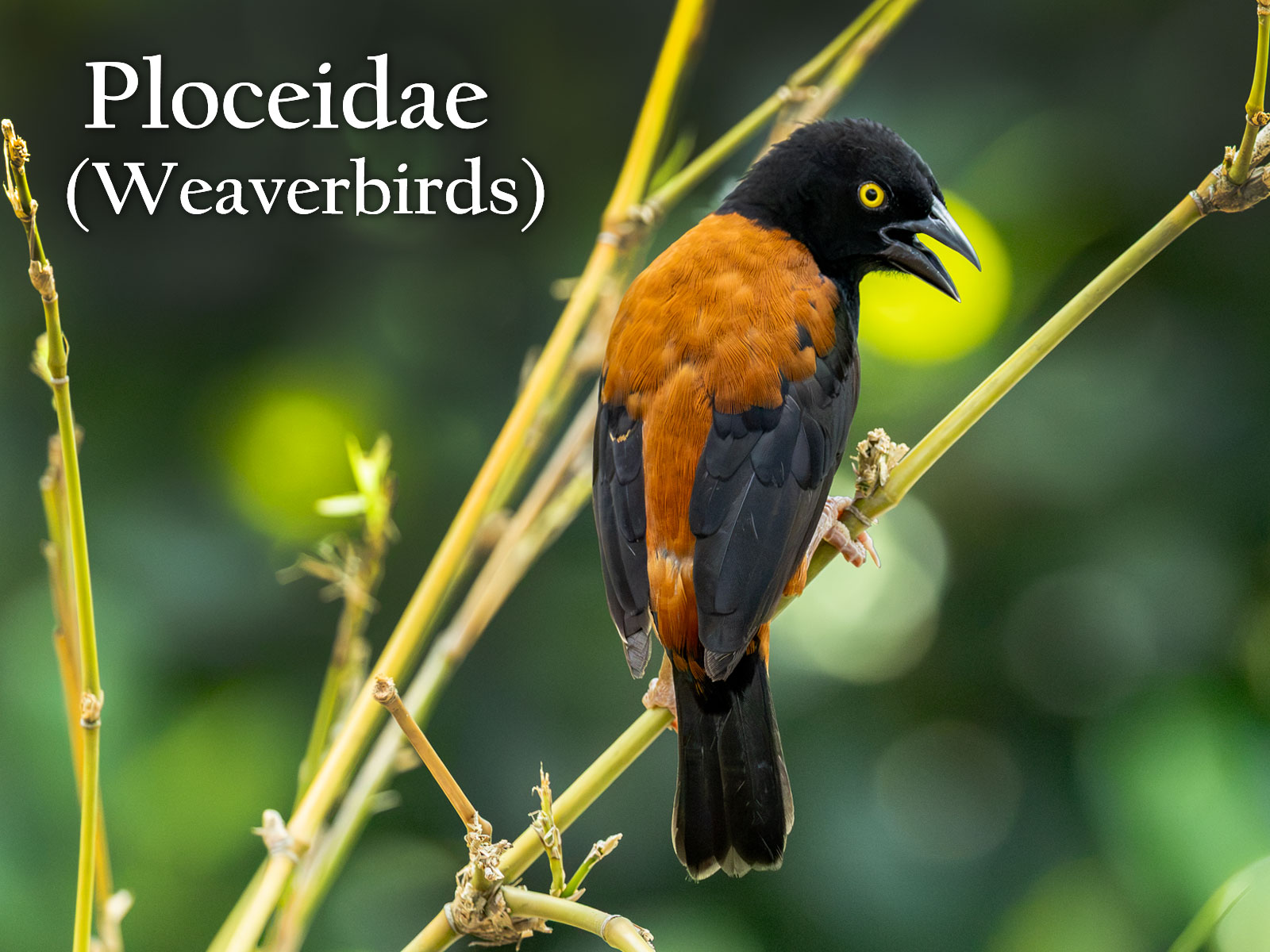
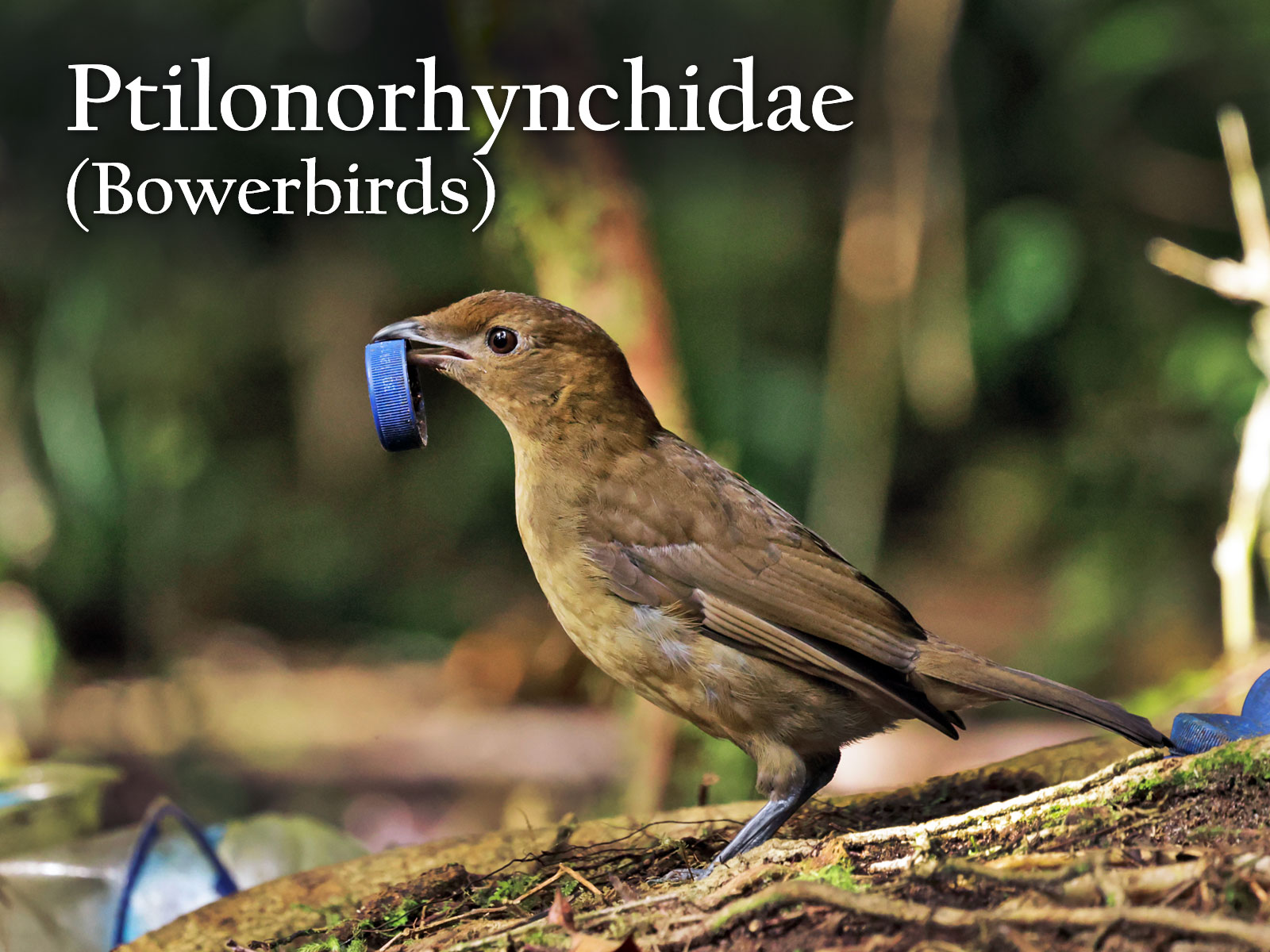
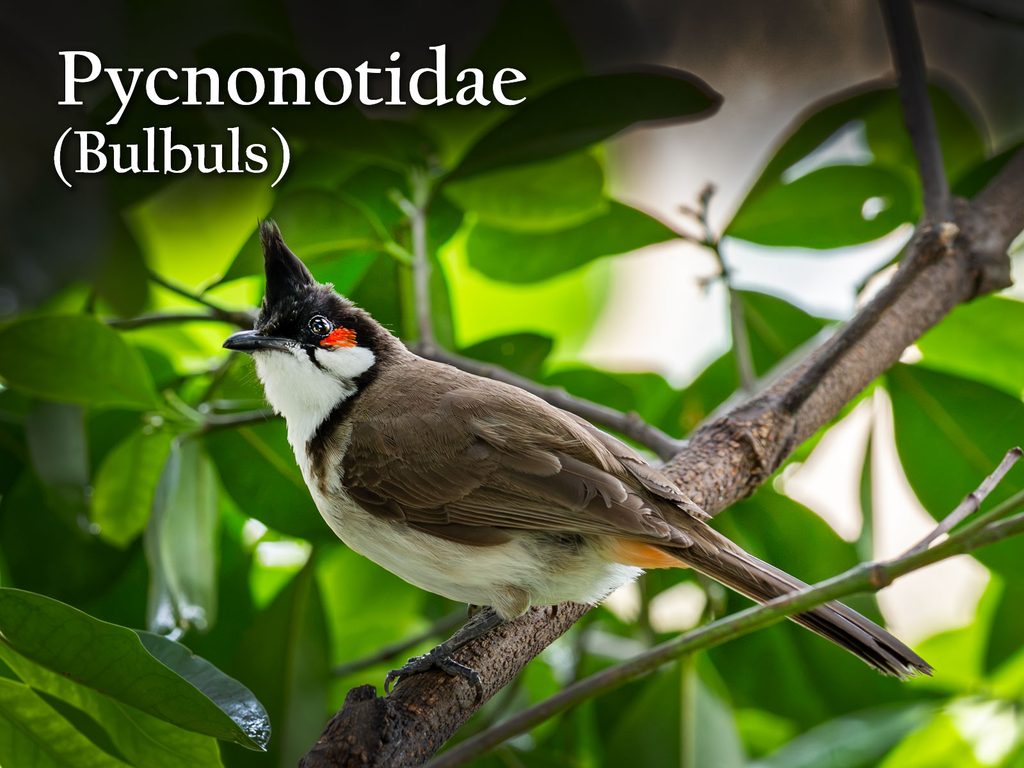
Pycnonotidae
Bulbuls
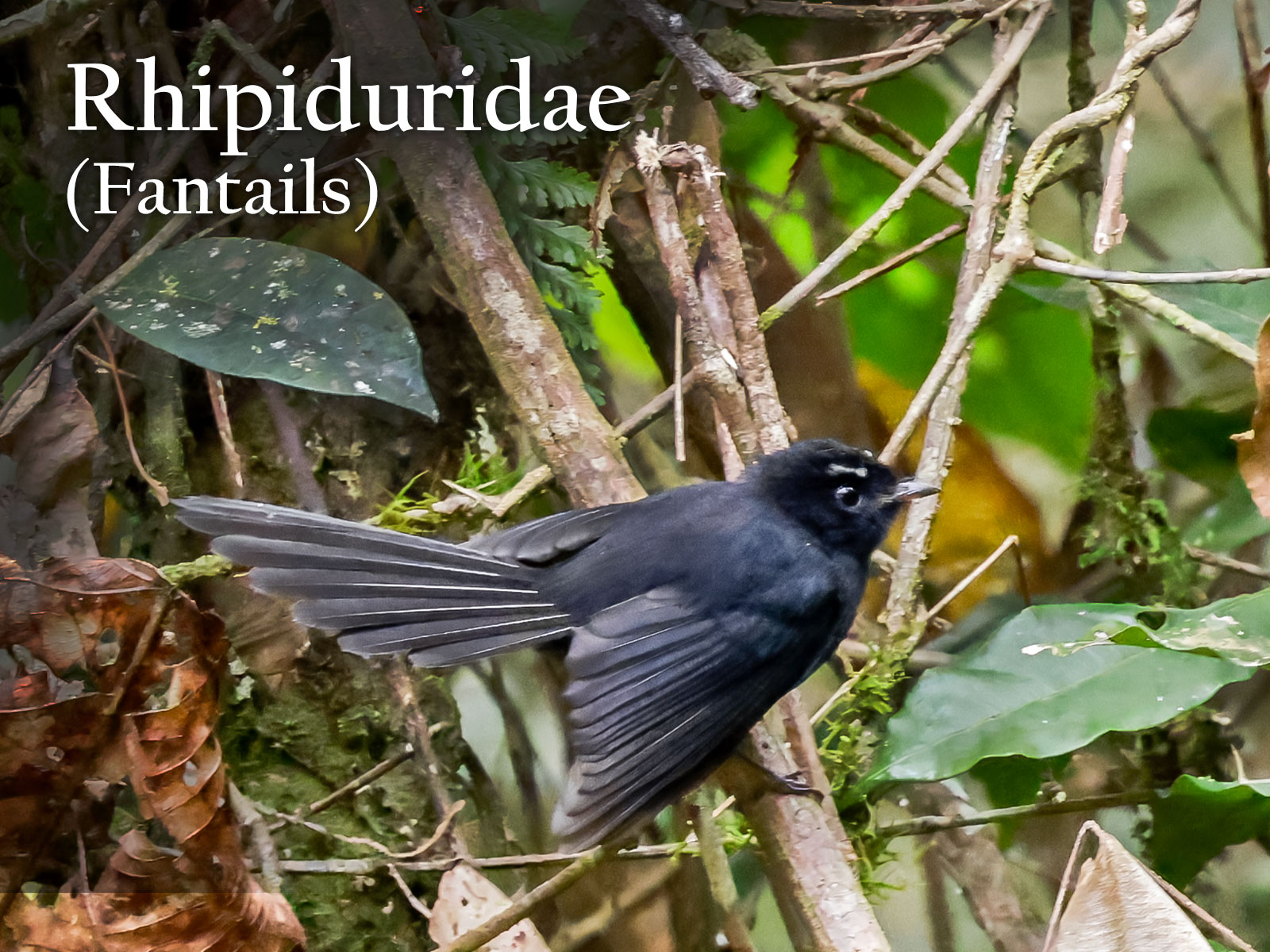
Rhipiduridae
Fantails
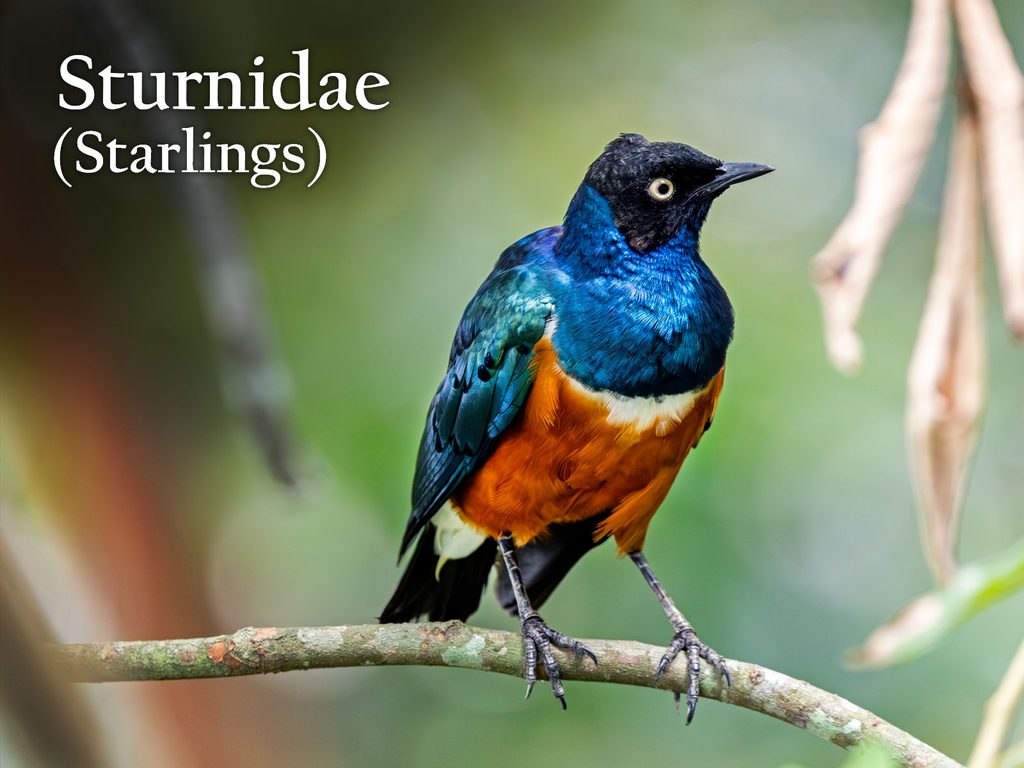
Sturnidae
Starlings
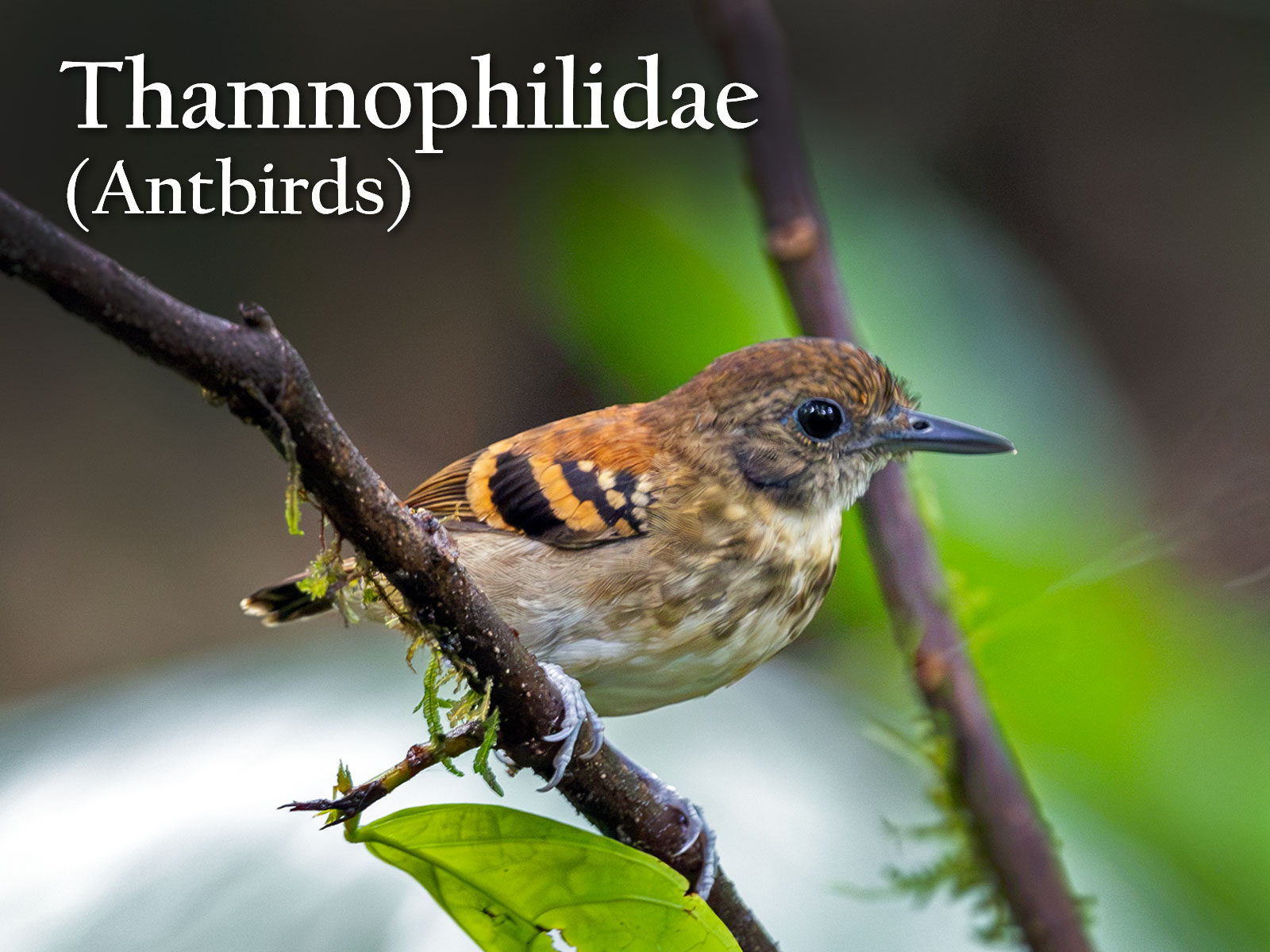
Thamnophilidae
Antbirds
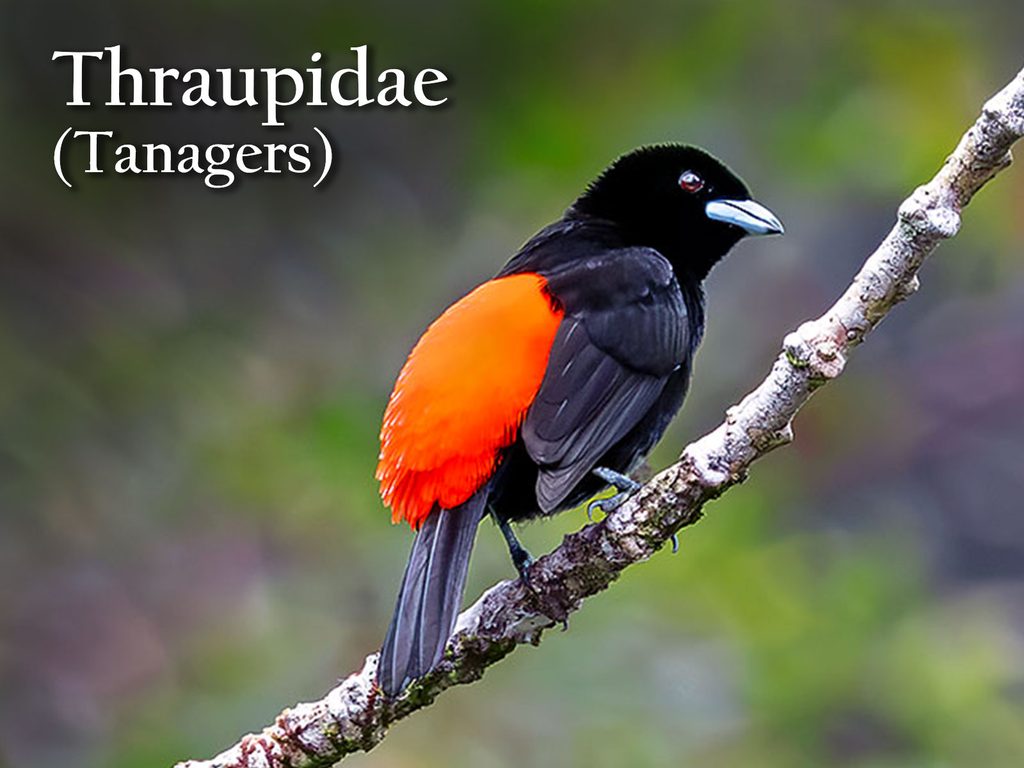
Thraupidae
Tanagers
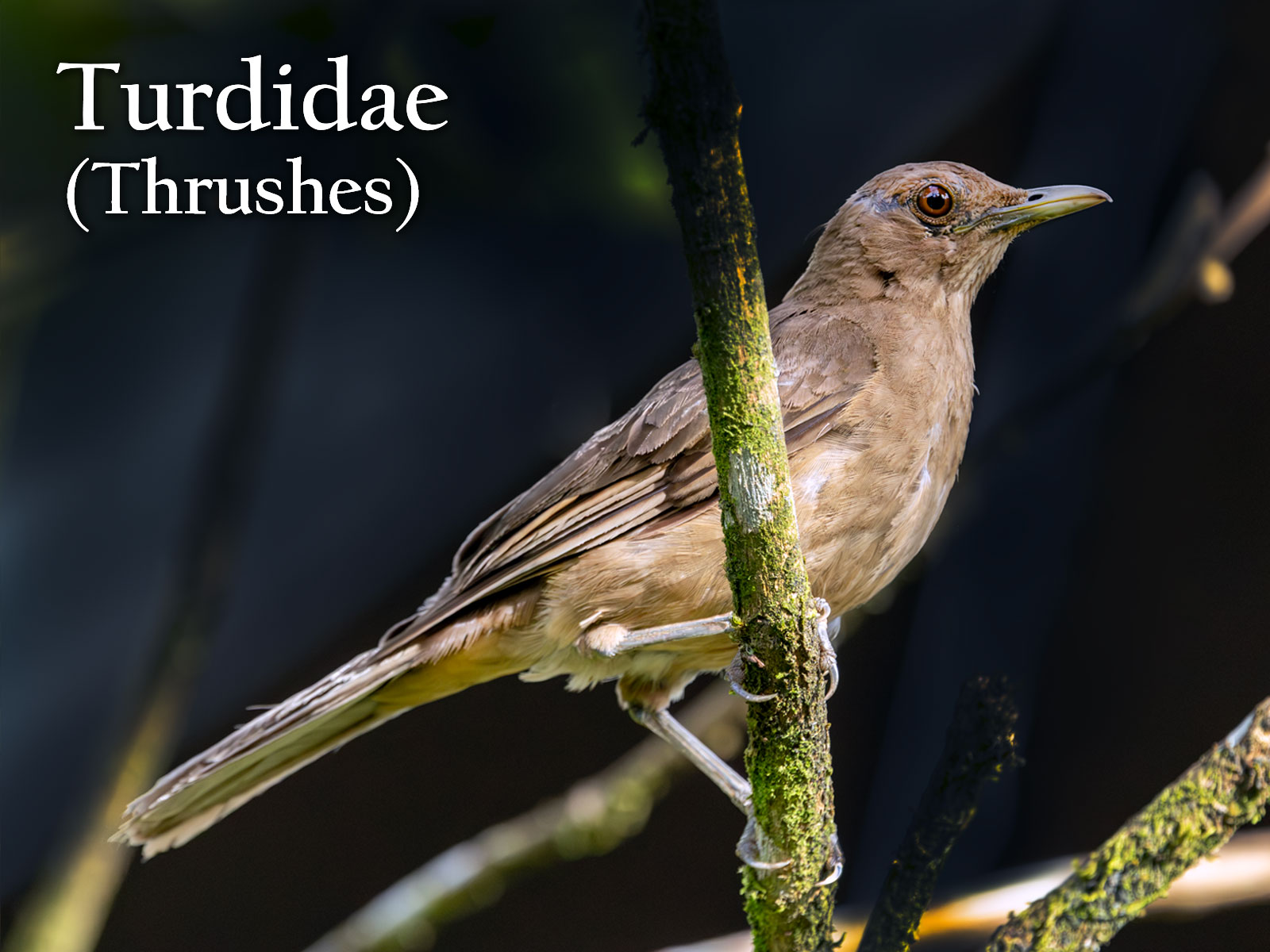
Turdidae
Thrushes
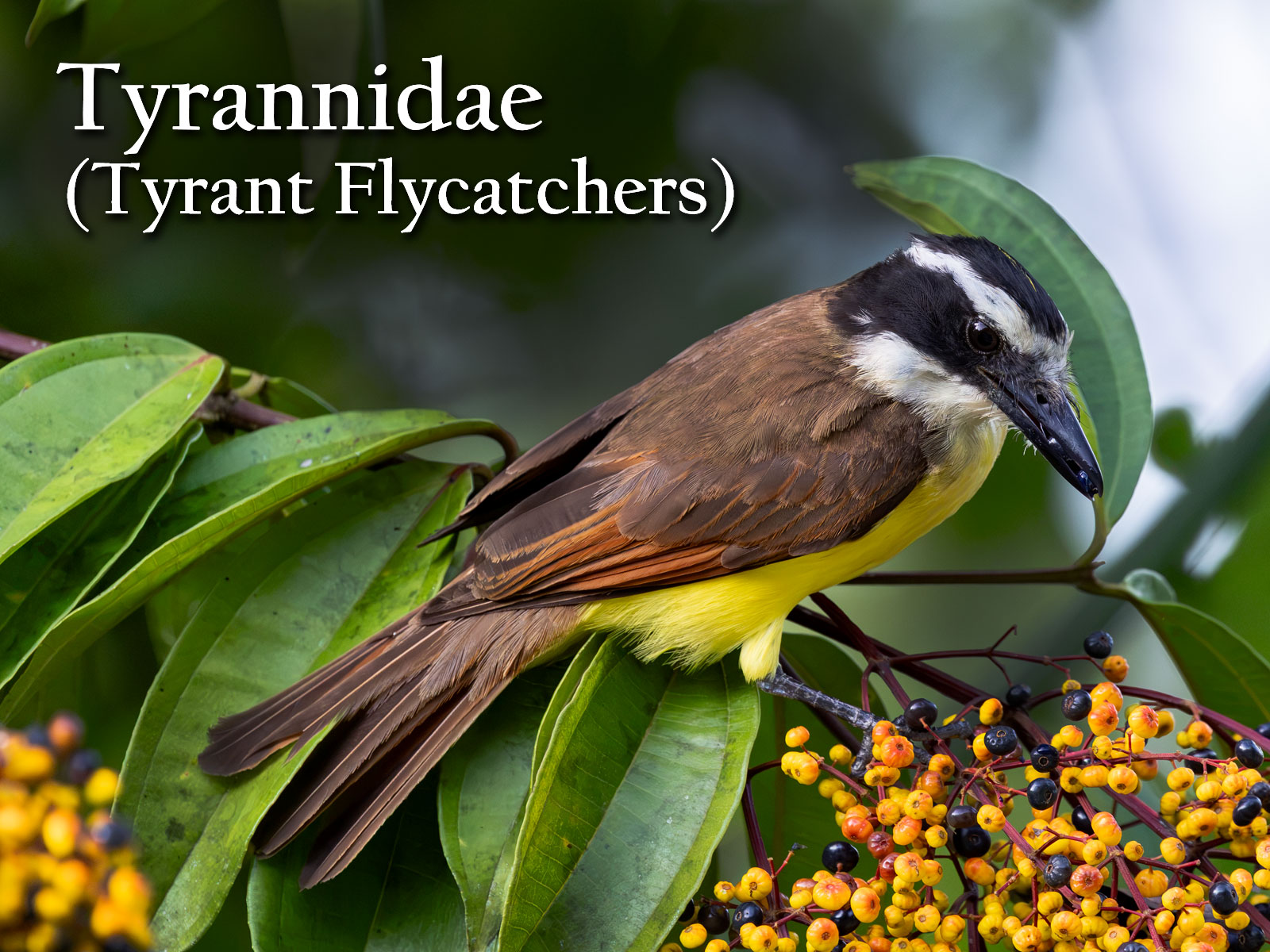
Tyrannidae
Tyrant Flycatchers
Order: Pelecaniformes
Families
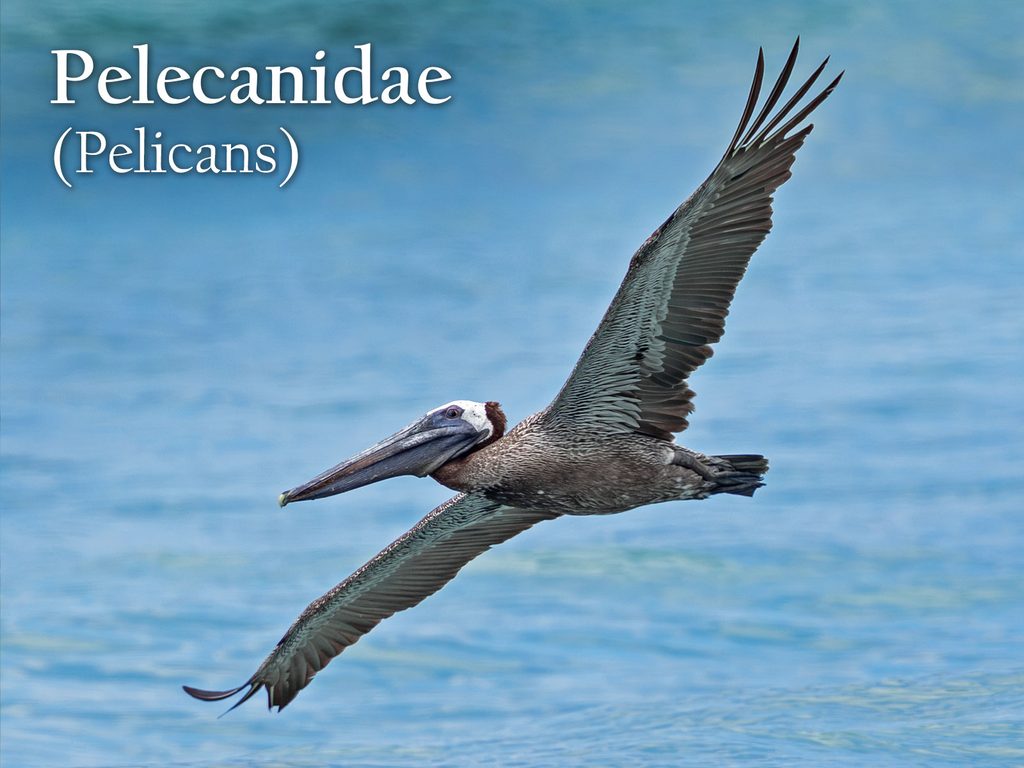
Pelecanidae
Pelicans
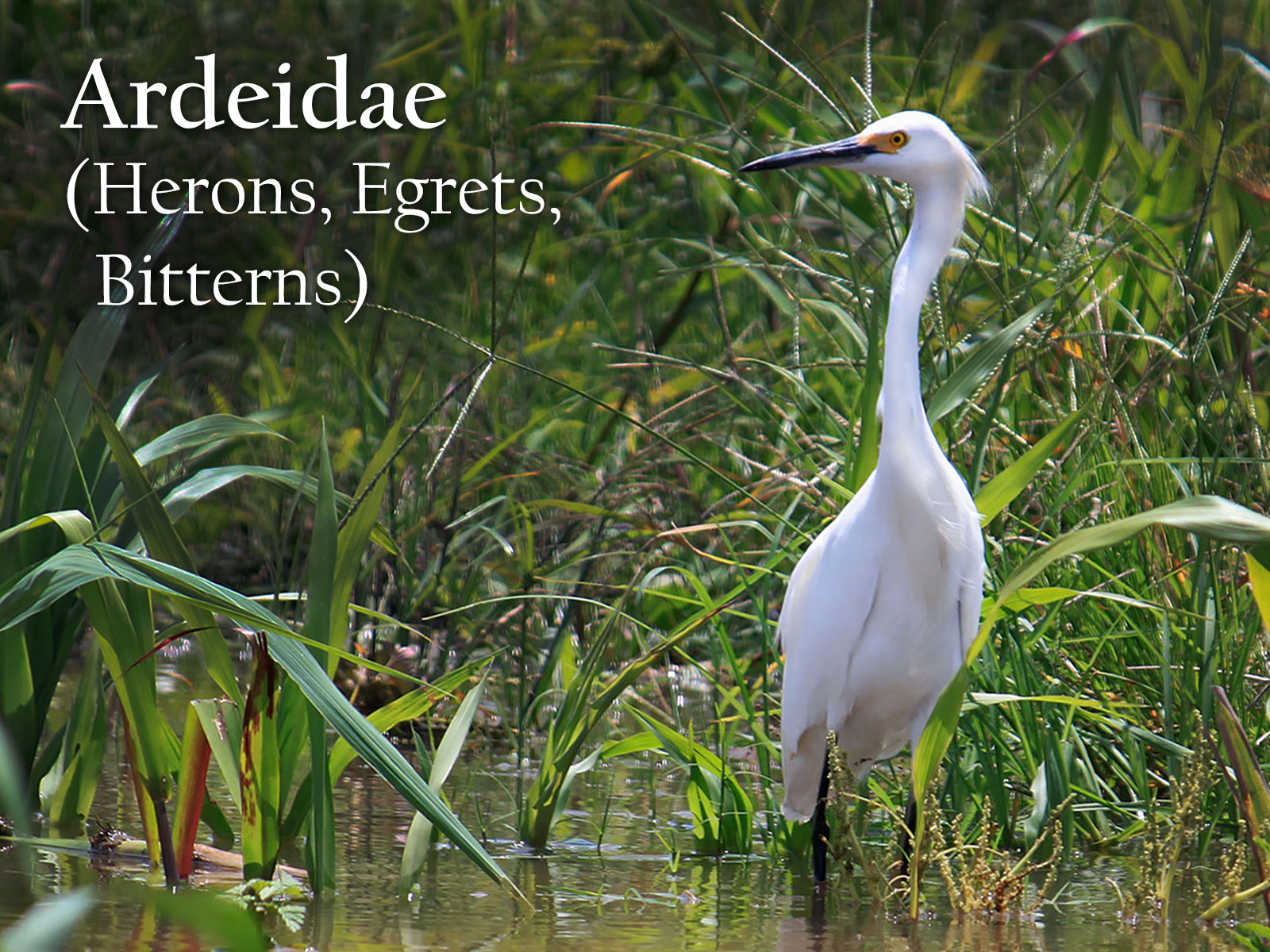
Ardeidae
Herons, Egrets & Bitterns
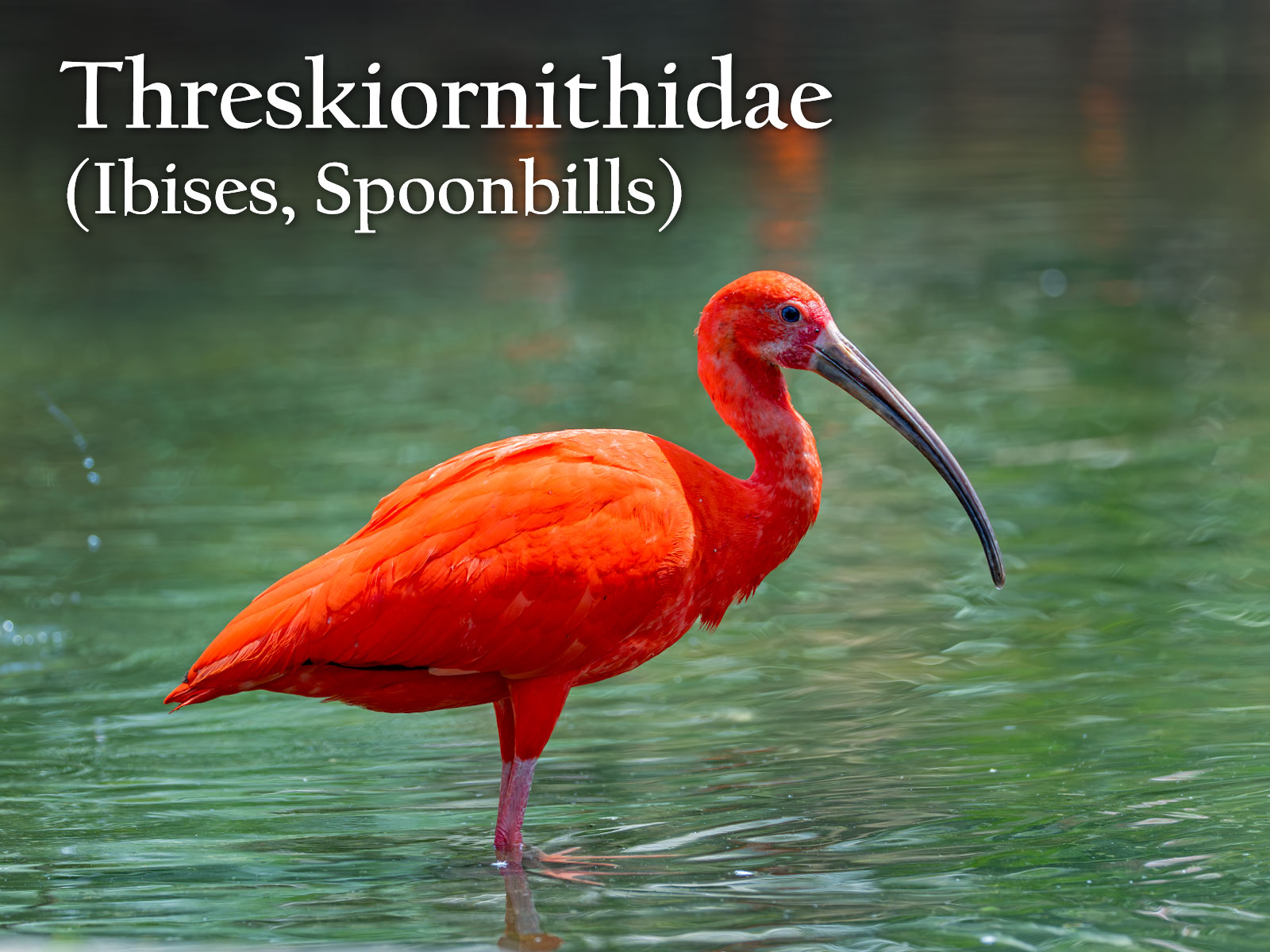
Threskiornithidae
Ibises & Spoonbills
Order: Phoenicopteriformes
Family
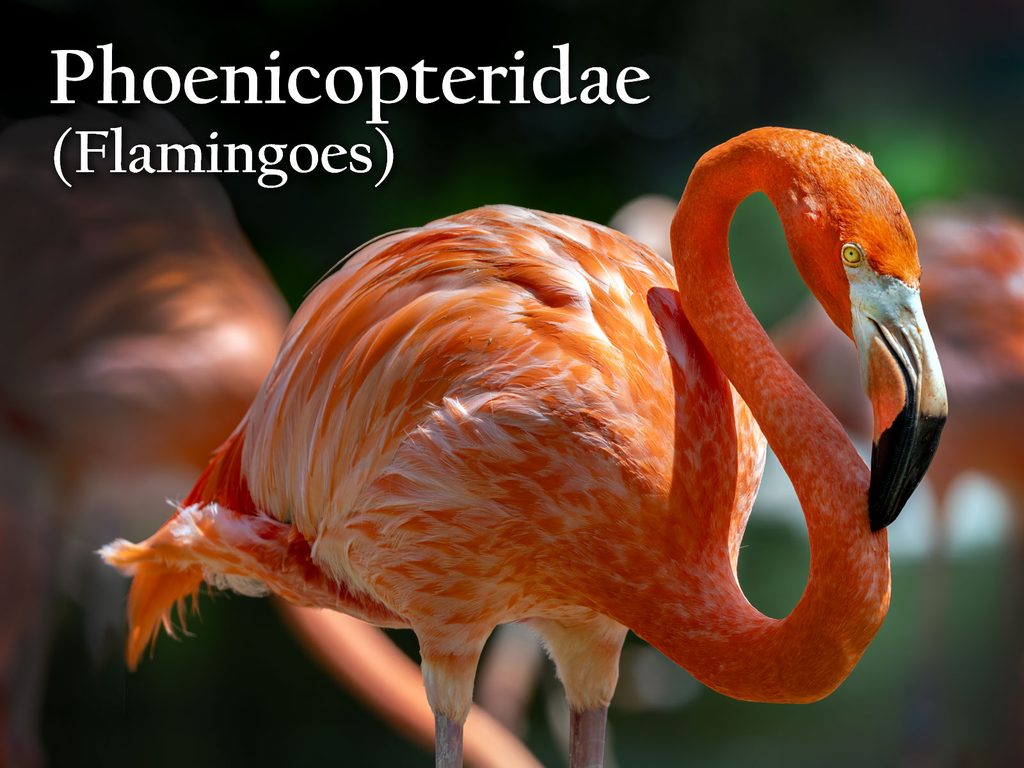
Flamingoes
Order: Piciformes
Families
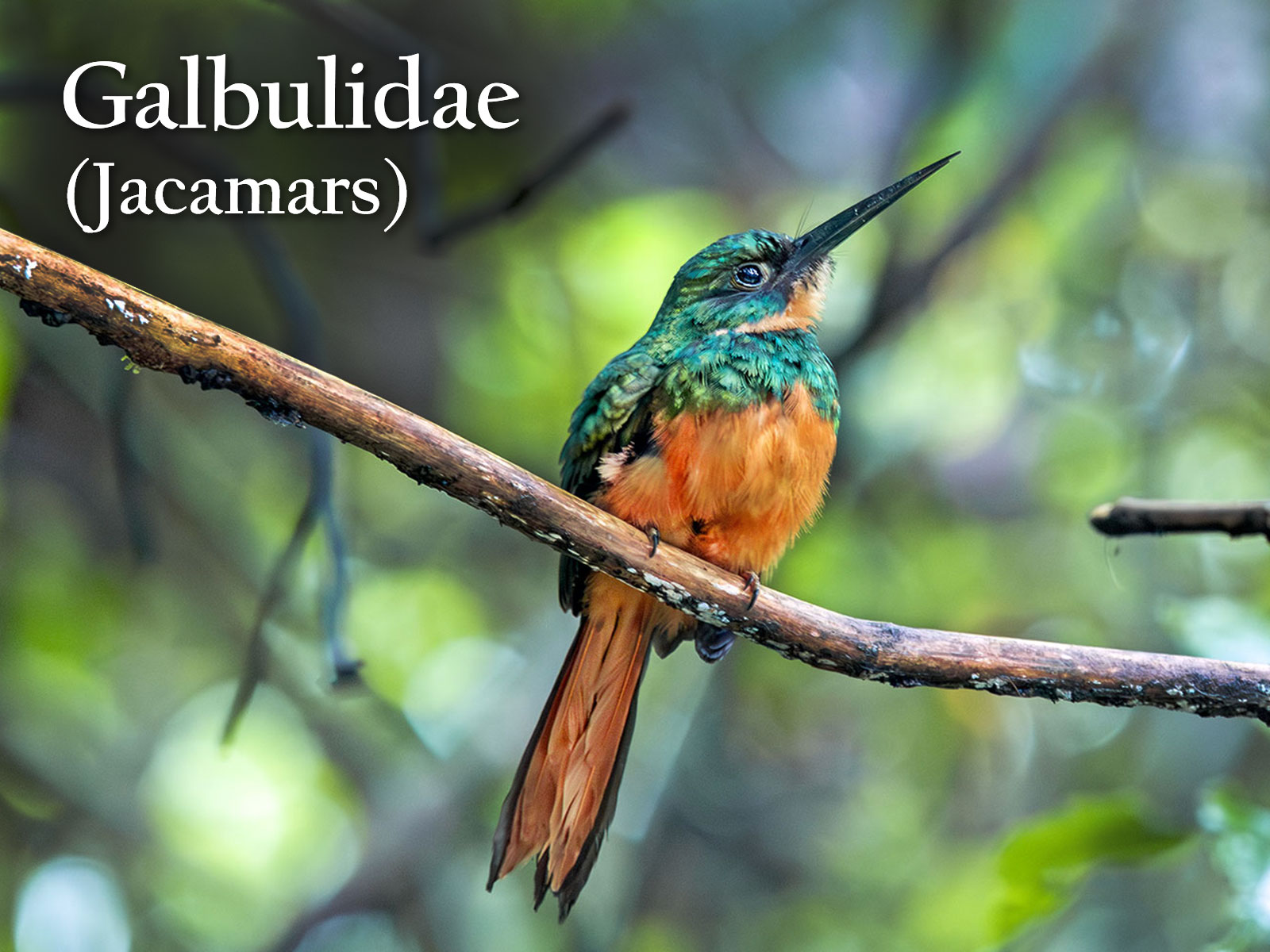
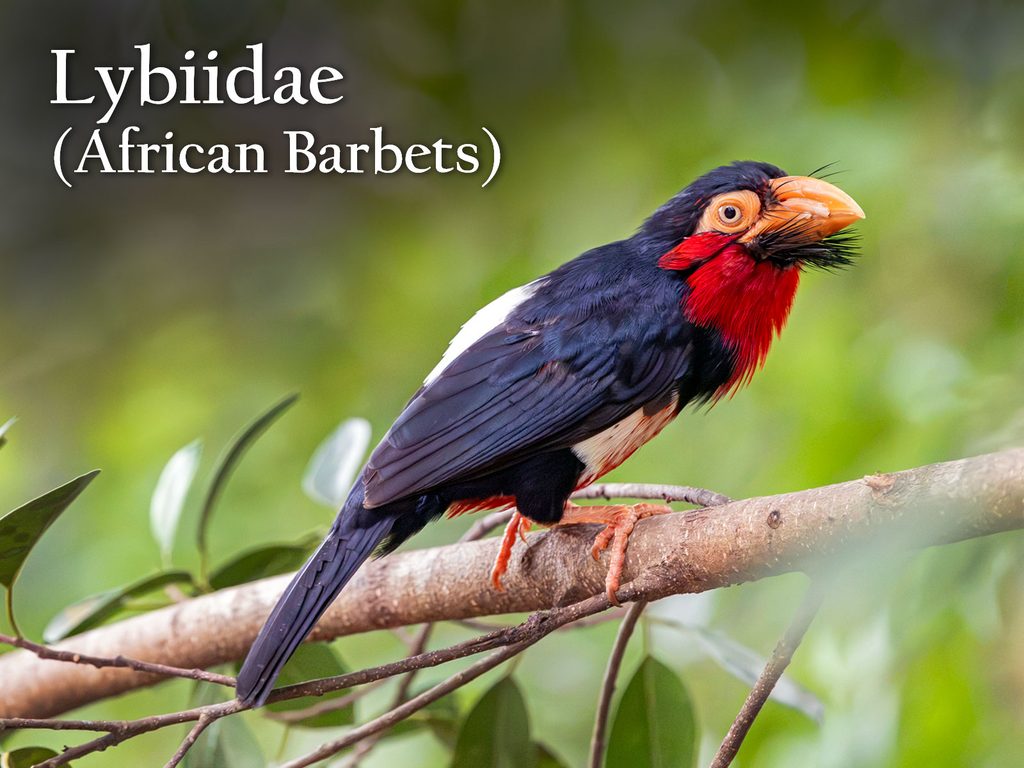
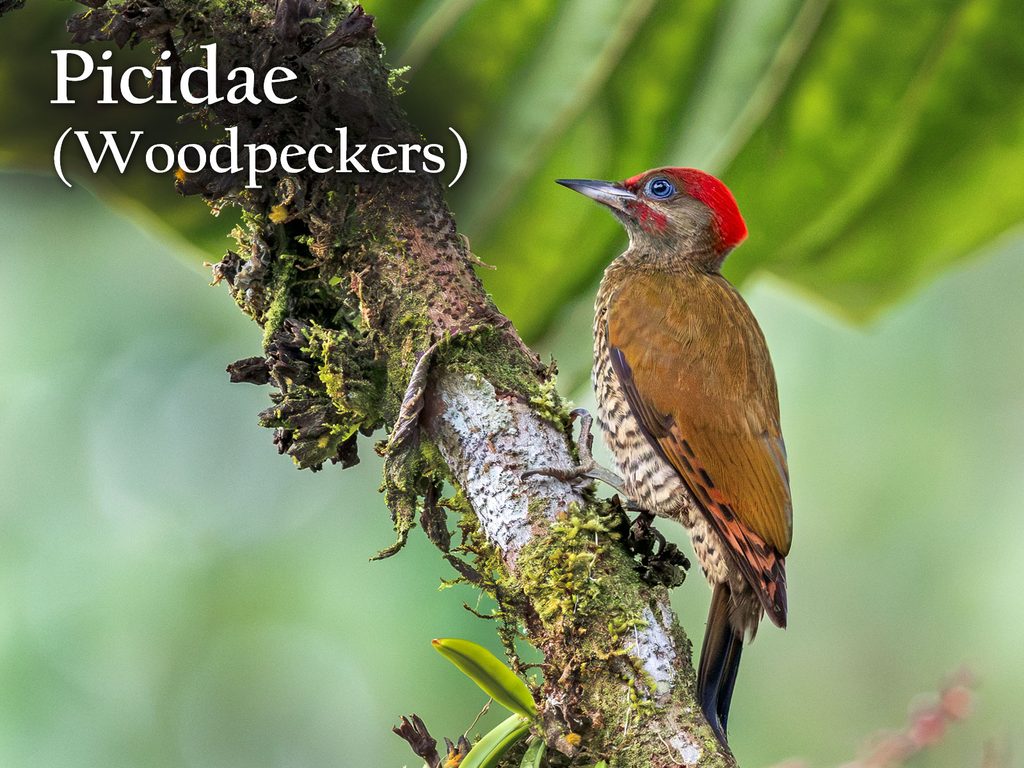
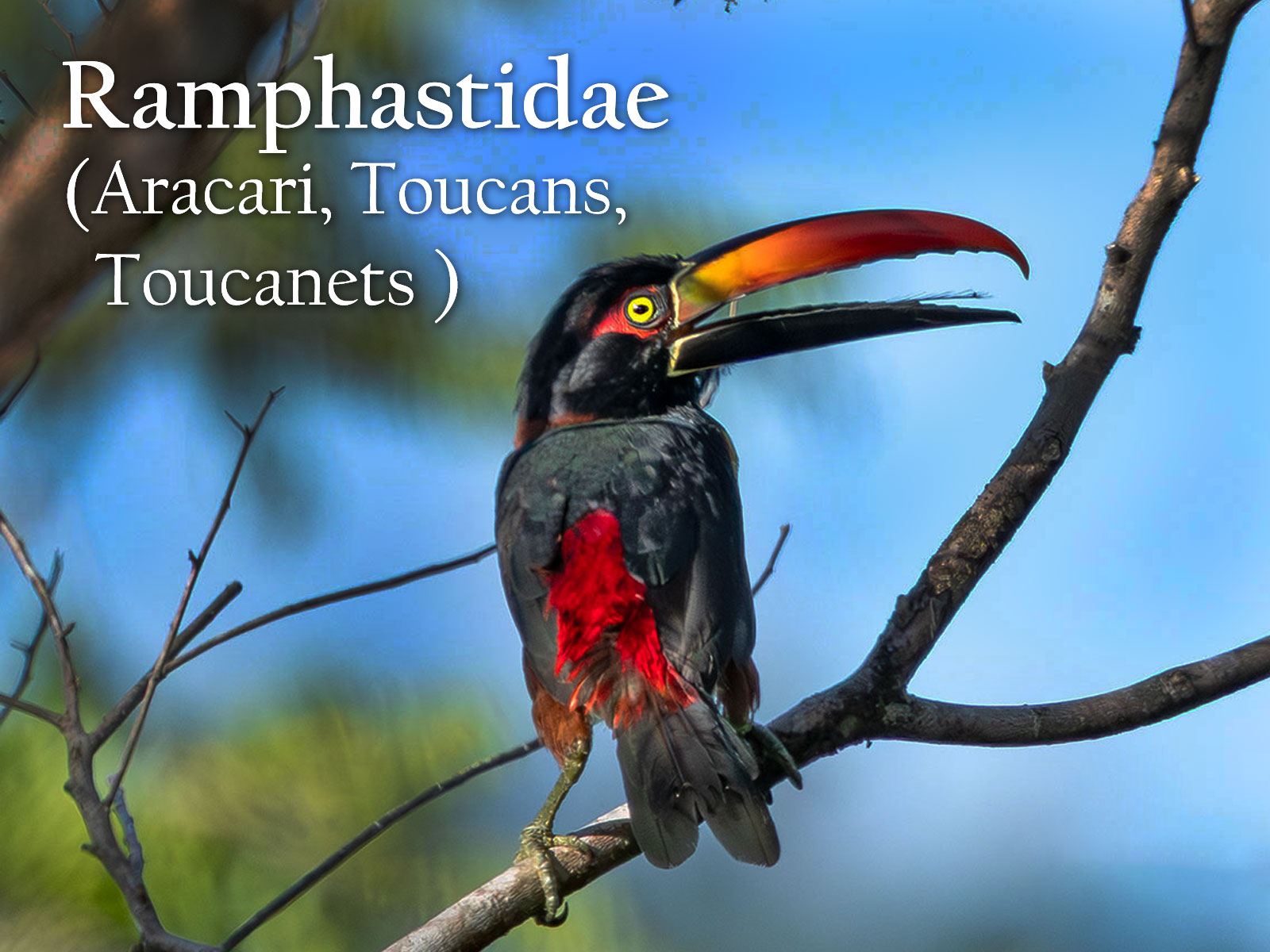
Order: Podargiformes
Family:
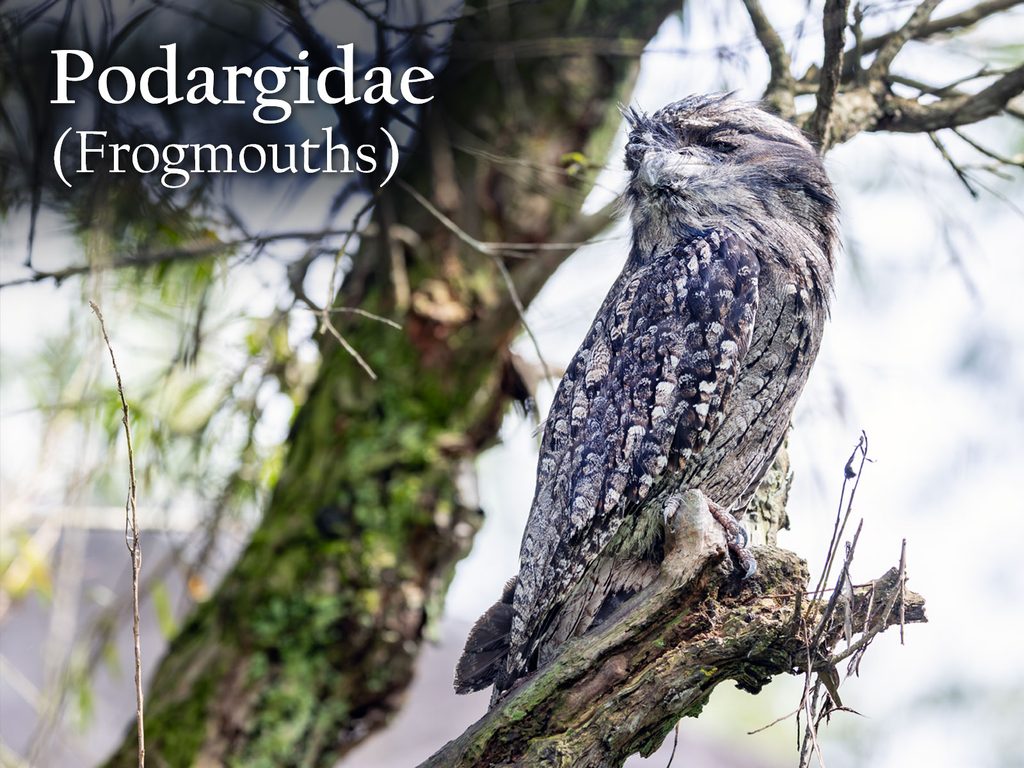
Frogmouths
Order: Psittaciformes
Families
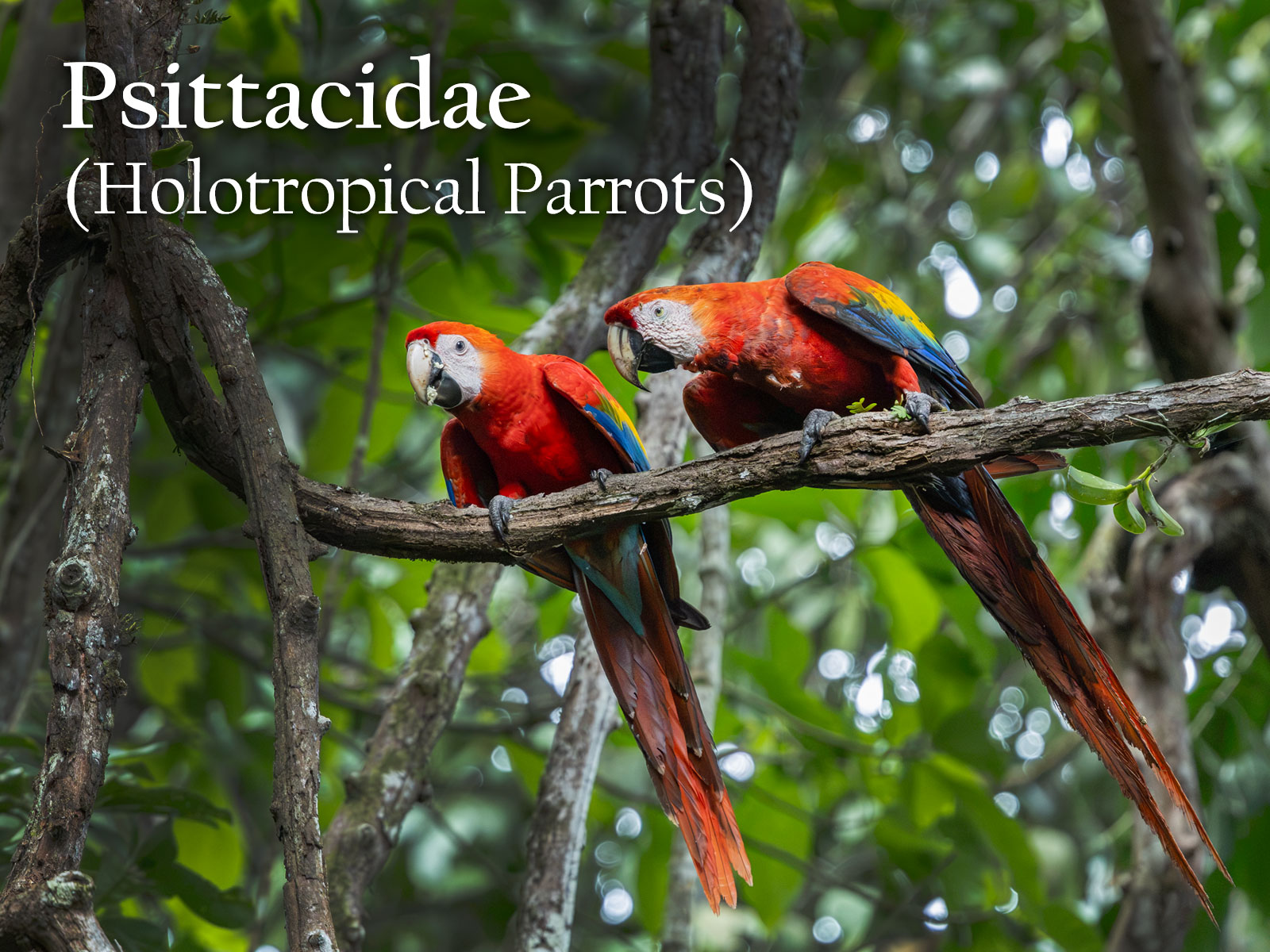
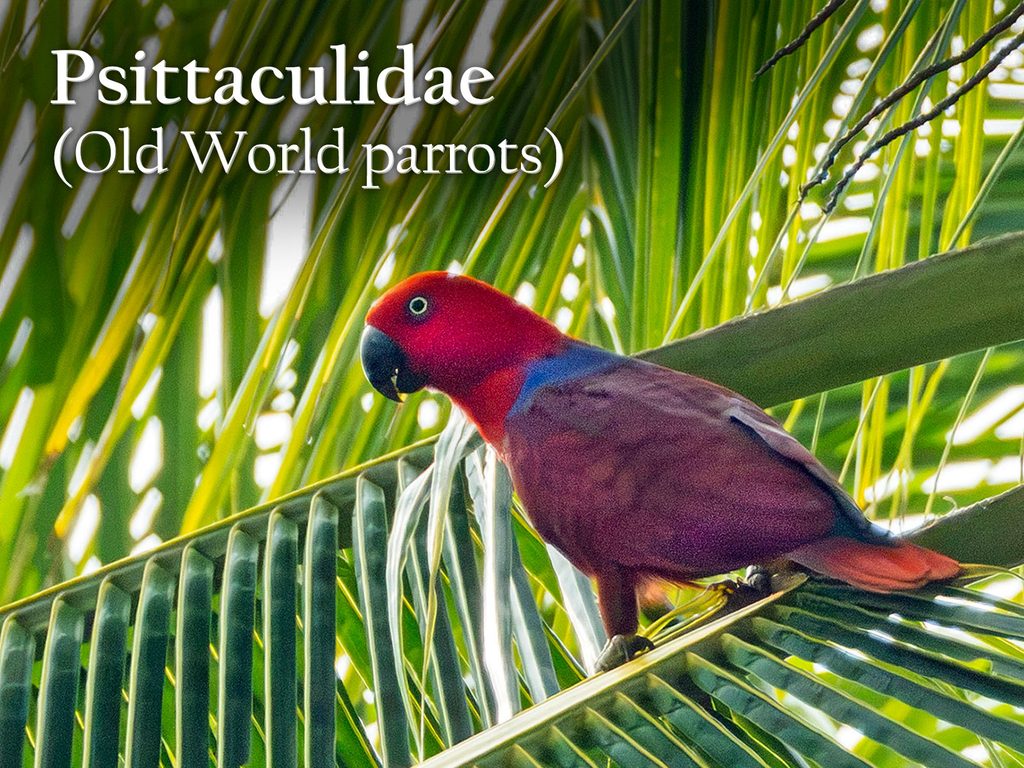
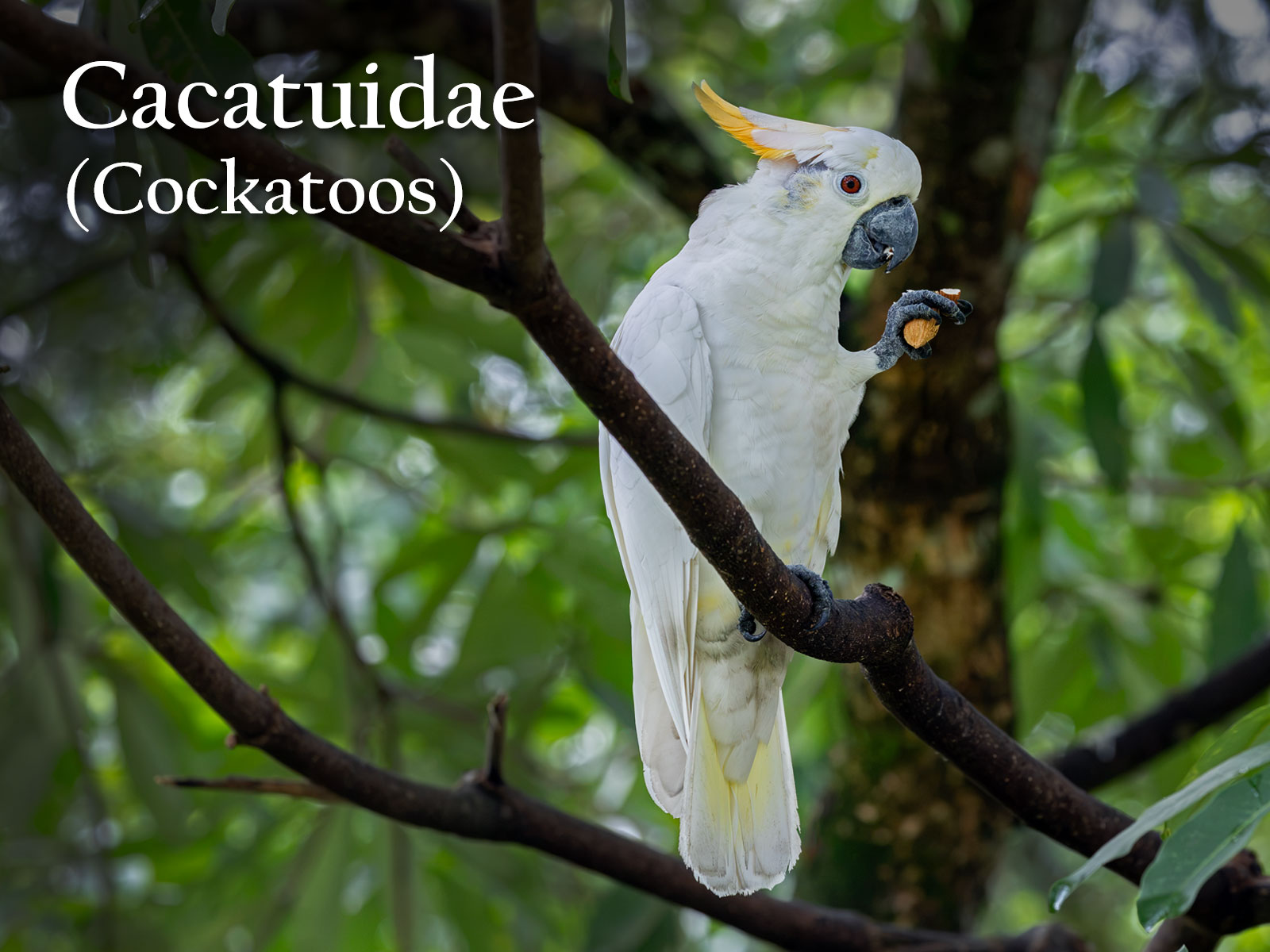
Order: Suliformes
Family:
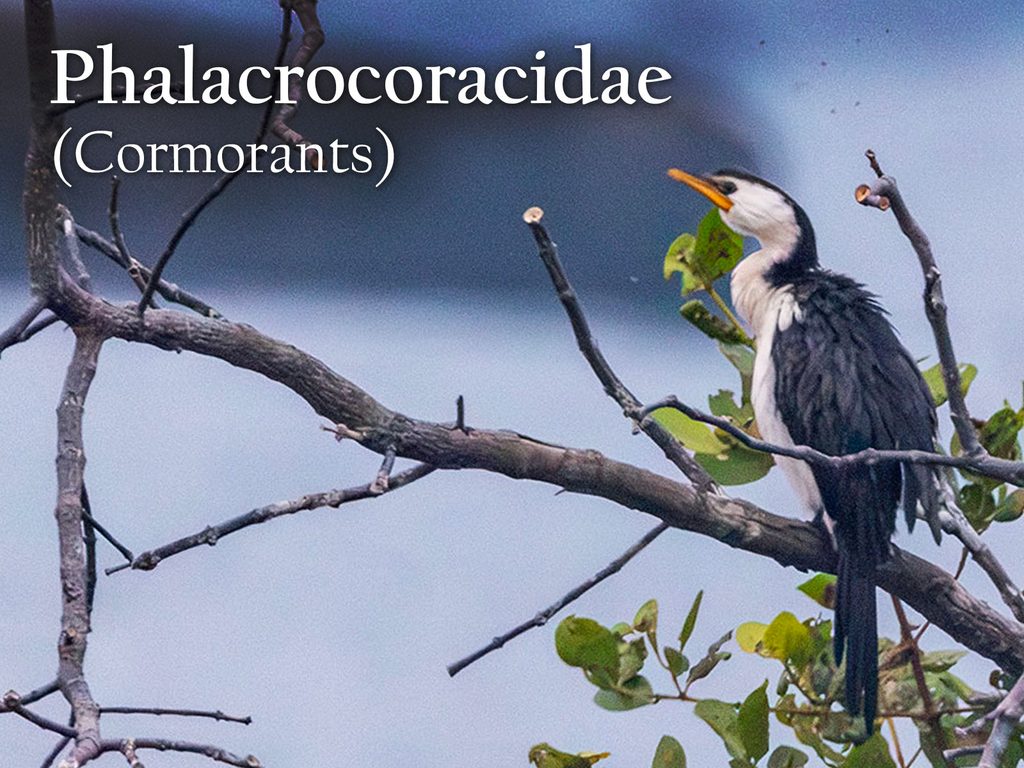
Cormorants
Order: Trogoniformes
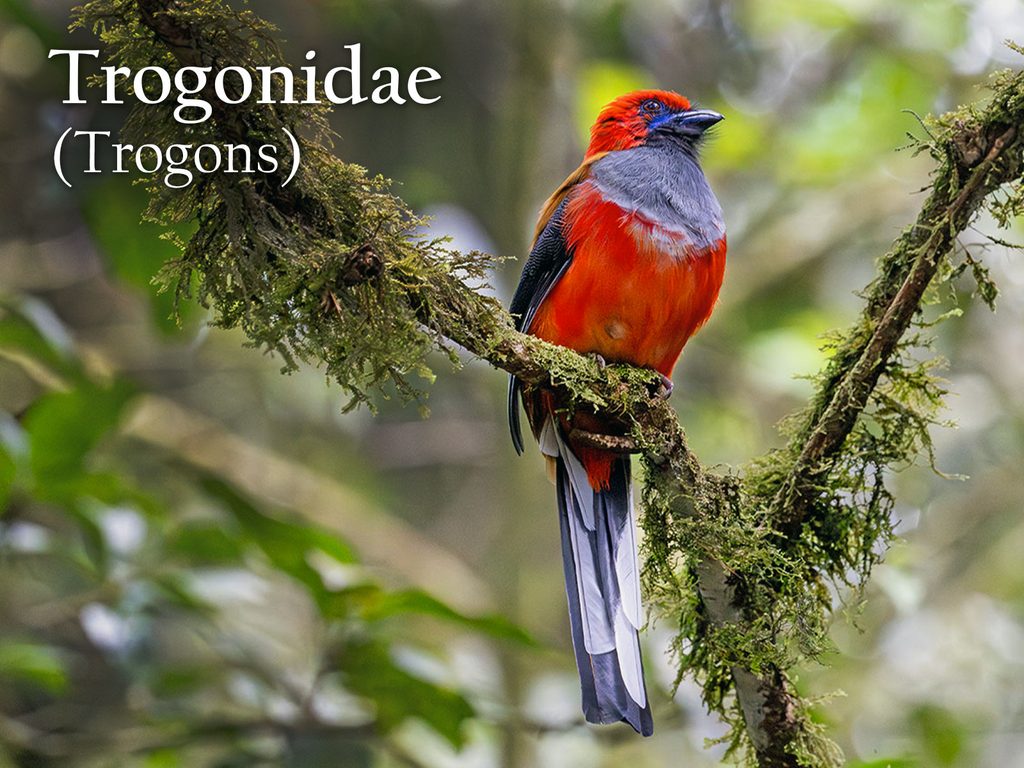
Family:
Class: Palaeognathae
Order: Casuariiformes
Family:
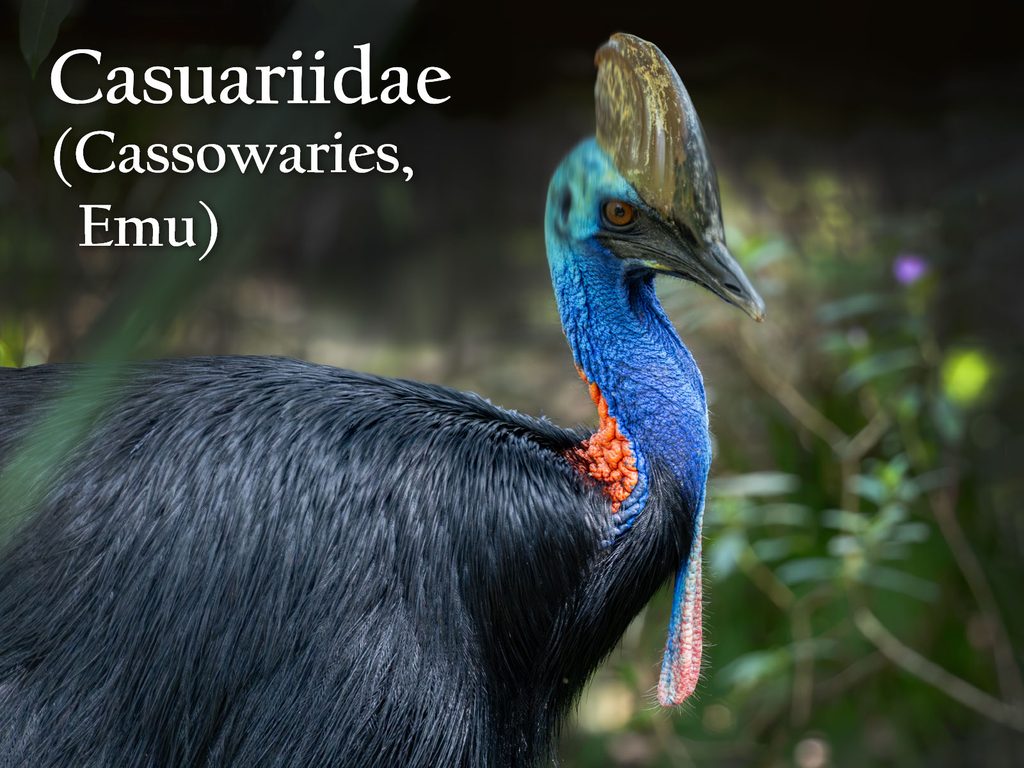
Casuariidae
Cassowaries & Emu