Trogonidae
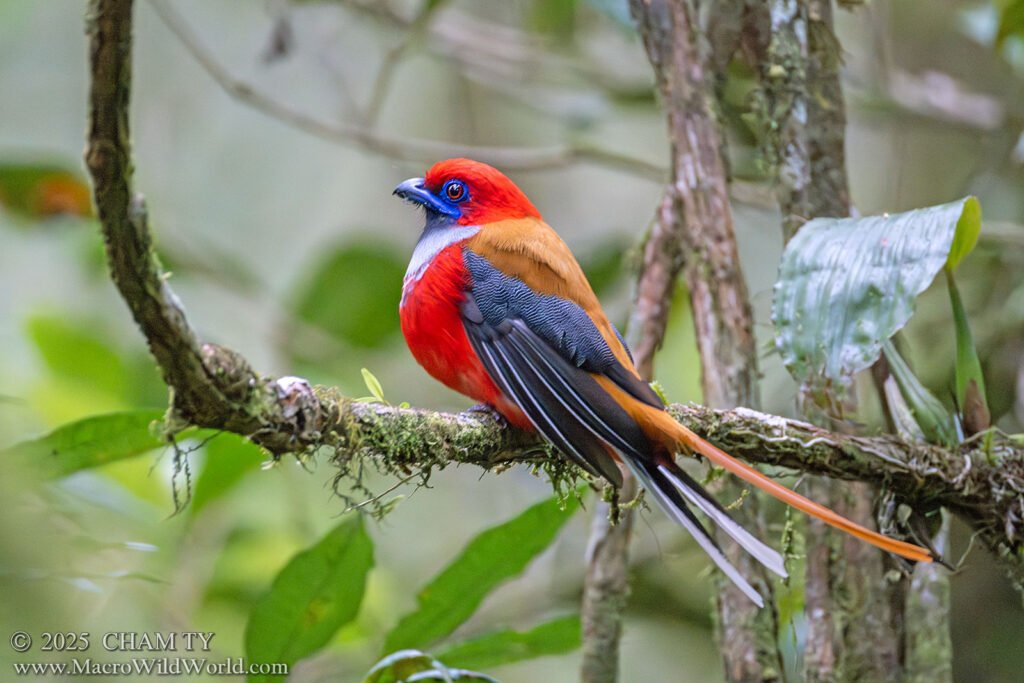
Trogons and Quetzals are birds in the order Trogoniformes which contains only one family, the Trogonidae. The fossil record of the trogons dates back 49 million years to the Early Eocene. The word trogon is Greek for “nibbling” and refers to the fact that these birds gnaw holes in trees to make their nests.
Trogons are residents of tropical forests worldwide. They feed on insects and fruit, and their broad bills and weak legs reflect their diet and arboreal habits. Although their flight is fast, they are reluctant to fly any distance. Trogons are generally not migratory, although some species undertake partial local movements. Trogons have soft, often colourful, feathers with distinctive male and female plumage. They are the only type of animal with a heterodactyl toe arrangement. They nest in holes dug into trees or termite nests, laying 2–4 white or pastel-coloured eggs.
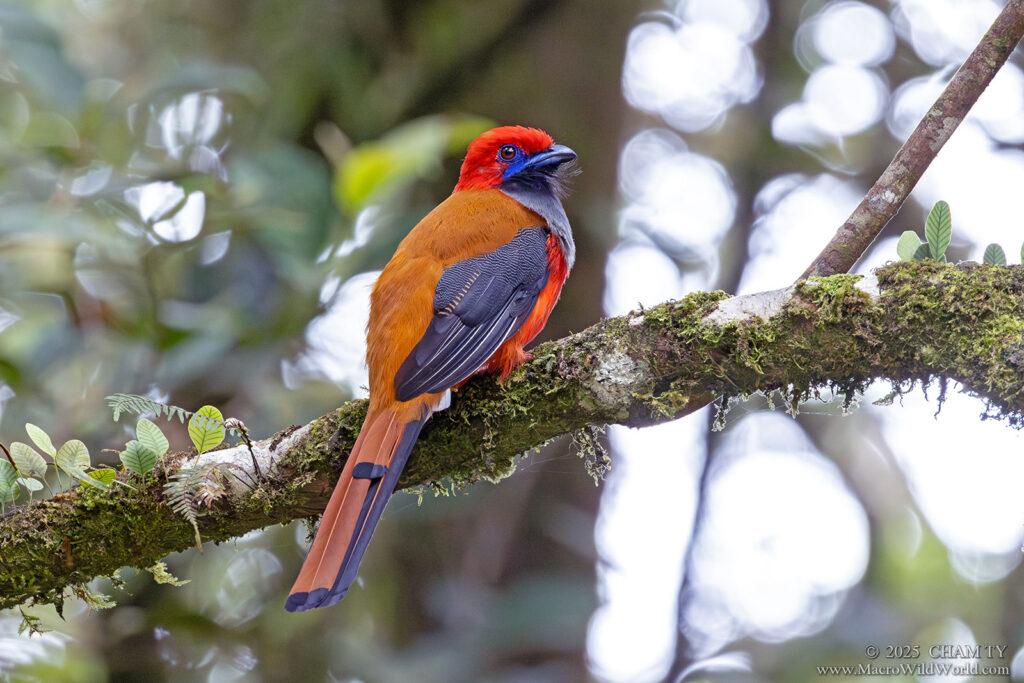
Harpactes whiteheadi
Whitehead’s Trogon
Mount Kinabalu, Sabah, Malaysia
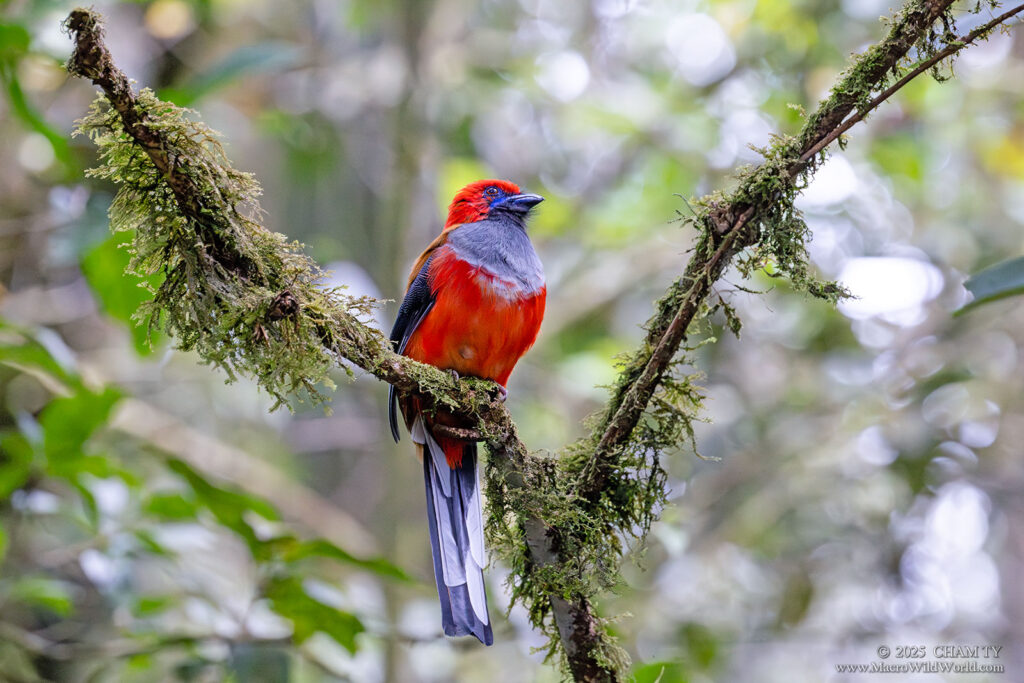
Harpactes whiteheadi
Whitehead’s Trogon
Mount Kinabalu, Sabah, Malaysia
Harpactes whiteheadi
Whitehead’s Trogon
Mount Kinabalu, Sabah, Malaysia
.
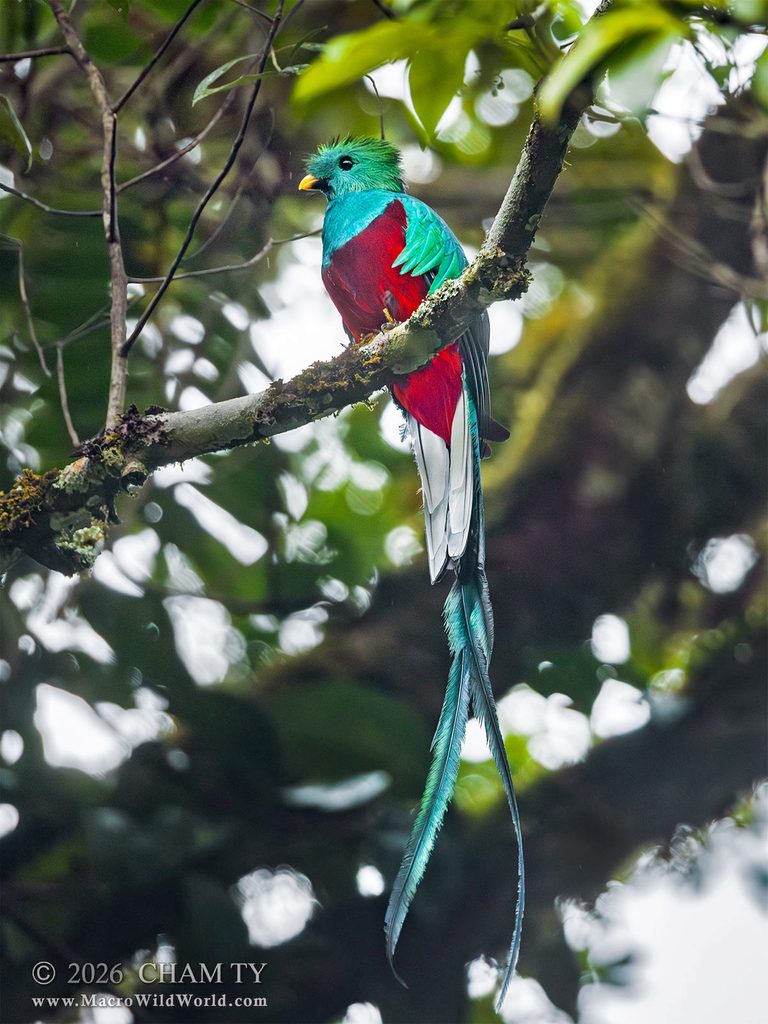
Harpactes whiteheadi
Whitehead’s Trogon
Mount Kinabalu, Sabah, Malaysia
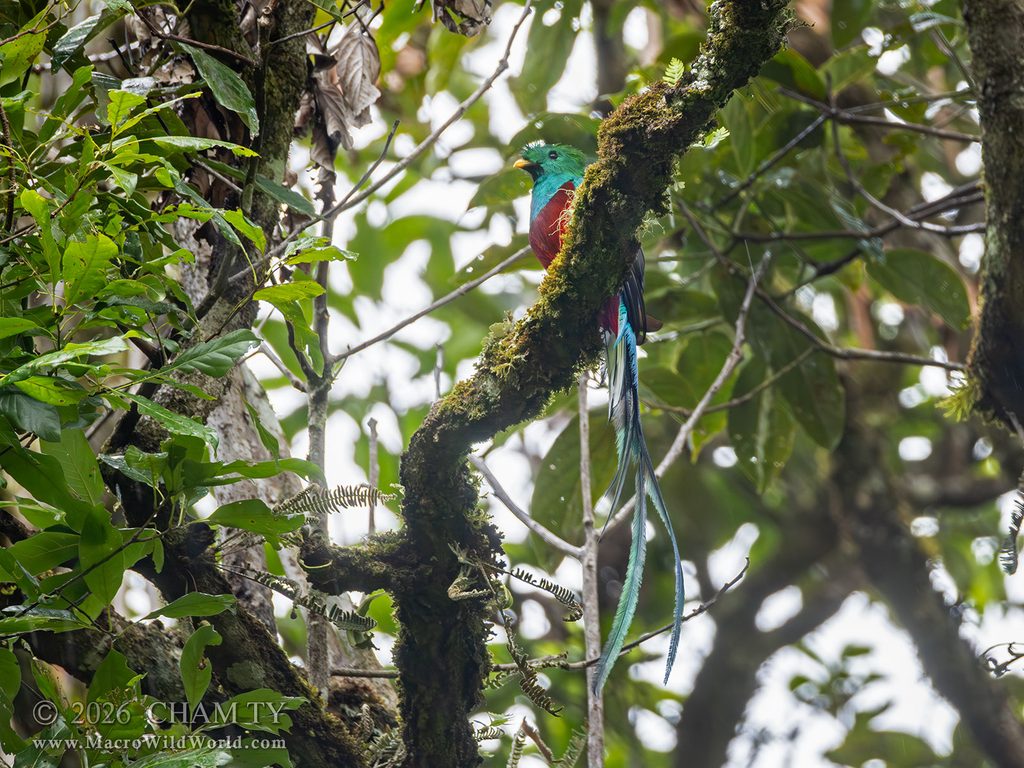
Harpactes whiteheadi
Whitehead’s Trogon
Mount Kinabalu, Sabah, Malaysia
–
–
.
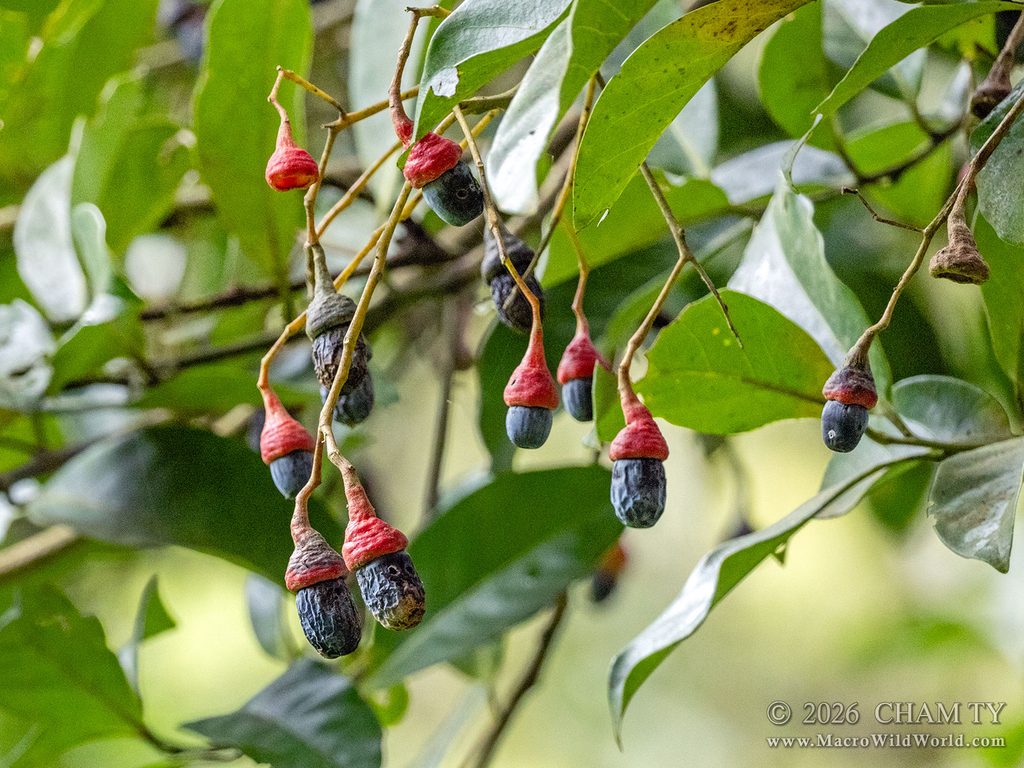
Wild Avocado
Food of Whitehead’s Trogon
Costa Rica
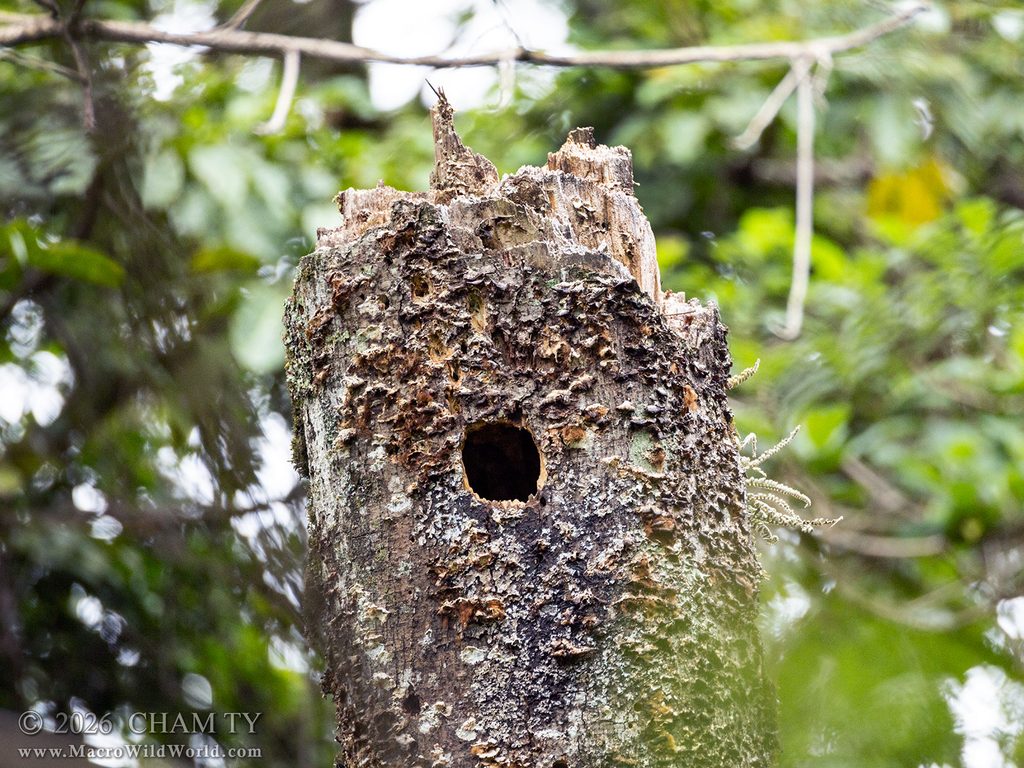
Nest of Harpactes whiteheadi
Whitehead’s Trogon
Costa Rica
–
–
.
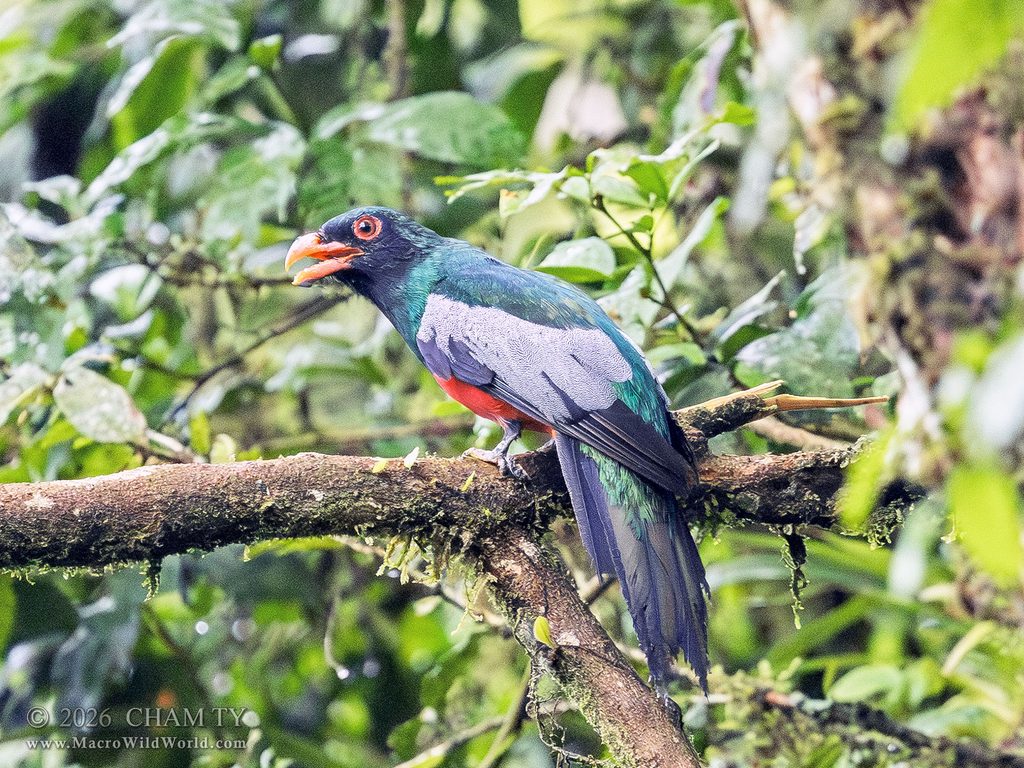
Trogon massena
Slaty-tailed Trogon
Costa Rica
–
–
–
–
–
.